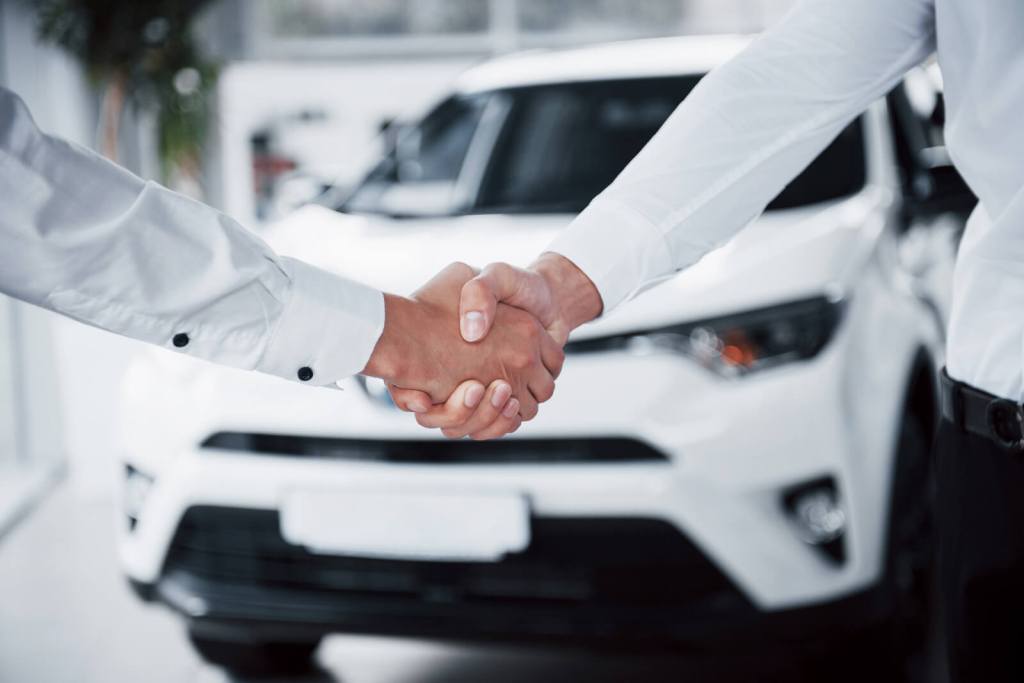
In today’s digital-first automotive market, generating leads is no longer the primary challenge. The real differentiator is automotive lead follow-up. Dealerships that master structured, fast, and consistent follow-up processes dramatically outperform competitors in appointment rates, showroom visits, and closed deals.
Buyers submit inquiries across multiple platforms—website forms, social media ads, third-party marketplaces, SMS, and chat. The dealership that responds first and follows up intelligently wins. This guide provides a comprehensive blueprint for automotive lead follow-up that increases conversions while building long-term customer trust.
Why Automotive Lead Follow-Up Determines Dealership Profitability
Modern car buyers behave differently than they did a decade ago. Research shows that customers often contact multiple dealerships before making a purchase decision. If follow-up is slow, inconsistent, or generic, that lead quickly becomes someone else’s sale.
Effective automotive lead follow-up impacts:
- Contact rates
- Appointment rates
- Show rates
- Closing ratios
- Customer lifetime value
Dealerships investing heavily in advertising but neglecting follow-up processes lose revenue silently. The solution is not more leads—it is better lead management.
The First Five Minutes: Speed Wins Deals
The most critical window in automotive lead follow-up is the first five minutes.
When a prospect submits an inquiry, they are actively engaged and comparing options. A fast response dramatically increases the likelihood of meaningful conversation.
Best practices include:
- Instant SMS confirmation
- Immediate email response
- Live call attempt within minutes
- Automated chat engagement
Response speed signals professionalism and reliability. Delayed replies suggest disorganisation.
Multi-Channel Follow-Up Strategy
High-performing dealerships do not rely on a single communication method. Automotive lead follow-up must operate across multiple channels.
SMS Communication
Text messaging achieves high open rates and quick responses. Messages should be short, conversational, and personalised.
Phone Calls
Calls remain essential for appointment confirmation. A structured call script ensures consistency while allowing flexibility for natural conversation.
Email Nurturing
Email provides space for detailed information such as:
- Vehicle specifications
- Financing options
- Trade-in processes
- Test drive scheduling
Social Media Messaging
Many buyers prefer to communicate through Facebook or Instagram. Integrated systems ensure no message goes unanswered.
The Ideal Follow-Up Timeline
Automotive lead follow-up should be structured rather than random. A proven timeline might include:
Day 1:
- Immediate SMS
- Phone call attempt
- Follow-up email
Day 2–3:
- Second call attempt
- Value-driven email (inventory alternative or incentive)
Day 4–7:
- Continued SMS touchpoints
- Personalised video message
- Appointment invitation
Week 2–4:
- Re-engagement messaging
- Limited-time offer reminders
Consistency is key. Many sales occur after multiple follow-up attempts.
Personalisation: The Conversion Multiplier
Generic follow-up reduces engagement. Effective automotive lead follow-up references:
- The specific vehicle inquired about
- Trade-in details
- Financing needs
- Preferred appointment times
Personalisation increases trust and makes communication feel relevant rather than automated.
The Role of AI in Automotive Lead Follow-Up
Manual follow-up alone is no longer sufficient. Sales teams are busy, and human error leads to missed opportunities. Artificial intelligence bridges this gap.
SimpSocial exemplifies next-generation automotive lead follow-up automation. The platform turns every lead into a real opportunity. Its AI assistant, Sarah, instantly engages leads, sets appointments, and follows up post-sale. With built-in lead generation, a Power Dialer, automated messaging, and 24/7 AI engagement, dealerships never miss a lead, call, or sale.
AI ensures:
- Immediate engagement—even outside business hours
- Consistent follow-up sequences
- Automated appointment booking
- Intelligent lead qualification
This combination dramatically improves contact and appointment rates.
Dealerships seeking advanced best practices can explore additional insights on this site.
Integrating Lead Generation with Follow-Up
Follow-up performance improves significantly when lead generation and engagement systems operate together.
SimpSocial empowers modern dealerships with two game-changing solutions:
- Precision-targeted social media lead generation tied directly to live inventory.
- A powerhouse engagement platform that responds, follows up, and books appointments automatically.
When advertising, response, and booking operate within one ecosystem, friction disappears. Leads move seamlessly from interest to confirmed showroom visit.
Measuring Automotive Lead Follow-Up Performance
Dealerships must track performance indicators to optimise results.
Key metrics include:
- Lead response time
- Contact rate
- Appointment set rate
- Appointment show rate
- Close rate
- Cost per appointment
Without data, improvement is impossible. With AI-enhanced analytics, dealerships can identify which messaging strategies convert most effectively.
Common Automotive Lead Follow-Up Mistakes
Avoiding these mistakes significantly increases performance:
1. Inconsistent Contact Attempts
Stopping after one or two attempts leaves money on the table.
2. Overly Aggressive Messaging
Follow-up should be persistent but professional—not pushy.
3. Lack of Appointment Focus
The primary goal of early follow-up is to secure an appointment, not close the deal via text.
4. Ignoring Post-Sale Follow-Up
Retention, referrals, and service revenue depend on continued engagement after the purchase.
Post-Sale Follow-Up: Building Lifetime Value
Automotive lead follow-up does not end at delivery. Post-sale communication should include:
- Thank-you messages
- Service reminders
- Review requests
- Referral incentives
AI systems like SimpSocial automate these processes, ensuring long-term engagement without adding manual workload.
Strong post-sale follow-up increases customer retention and strengthens online reputation.
The Future of Automotive Lead Follow-Up
The future of automotive lead follow-up includes:
- AI voice assistants handling inbound calls
- Predictive engagement based on browsing behaviour
- Automated finance pre-qualification
- Behaviour-triggered SMS sequences
- Data-driven retargeting campaigns
Dealerships that adopt intelligent automation today will outperform competitors tomorrow.
Final Blueprint for Success
To maximise automotive lead follow-up effectiveness, dealerships must:
- Respond within minutes
- Use multi-channel communication
- Follow structured timelines
- Personalise every interaction
- Integrate AI automation
- Track performance metrics
- Maintain post-sale engagement
This blueprint transforms follow-up from a reactive task into a predictable revenue system.
Conclusion
Automotive lead follow-up is not merely administrative—it is strategic. It determines whether marketing investments produce measurable revenue.
Dealerships that implement structured processes, leverage AI-powered platforms like SimpSocial, and commit to consistent engagement create a sustainable competitive advantage.
In an increasingly digital automotive landscape, success belongs to dealerships that respond faster, follow up smarter, and convert more consistently.
 Sarah AI
Leave a comment