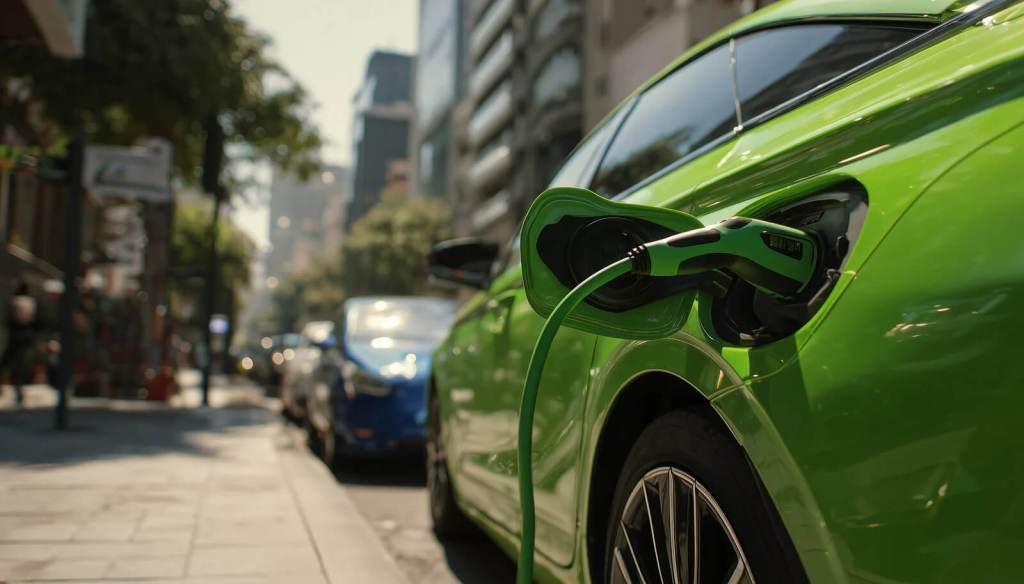
The automotive industry is undergoing a historic transformation. Environmental concerns, stricter emissions regulations, and evolving consumer expectations are accelerating the transition toward green automotive technology. Electric vehicles (EVs), sustainable manufacturing, and intelligent energy management systems are becoming essential pillars of the modern automotive ecosystem.
At the center of this transformation is artificial intelligence (AI). AI is no longer limited to autonomous driving or digital assistants; it is now a critical tool for improving sustainability across the entire automotive lifecycle—from vehicle design and manufacturing to dealership marketing and customer engagement.
Understanding AI’s role in green automotive technology helps businesses, dealerships, and consumers recognize how innovation is shaping a cleaner and more efficient transportation future.
What Is Green Automotive Technology?
Green automotive technology refers to innovations designed to reduce environmental impact, improve energy efficiency, and promote sustainable transportation. These technologies aim to lower carbon emissions while improving vehicle performance and efficiency.
Examples include:
- Electric vehicles (EVs)
- Hybrid powertrains
- Hydrogen fuel cell technology
- Smart energy management systems
- Sustainable manufacturing processes
- AI-powered mobility solutions
AI plays a significant role in optimizing many of these systems, helping manufacturers and dealerships make smarter, data-driven decisions that support sustainability goals.
For a deeper overview of this topic, you can explore additional insights on this site.
Why Artificial Intelligence Matters in Sustainable Automotive Innovation
The automotive industry generates enormous amounts of data. Vehicles, manufacturing plants, charging networks, and dealership systems all produce valuable information that can be used to improve efficiency.
AI analyzes this data at scale, enabling:
- Predictive decision-making
- Energy optimization
- Intelligent manufacturing
- Smarter mobility planning
These capabilities allow companies to reduce waste, lower emissions, and design more sustainable vehicles.
Simply put, AI transforms data into environmental efficiency.
AI in Electric Vehicle Development
Electric vehicles represent one of the most visible aspects of green automotive technology. However, designing efficient EVs requires complex engineering and constant optimization.
AI accelerates EV development by improving several critical areas.
Battery Optimization
Battery performance is the backbone of electric vehicles. AI models analyze battery usage patterns and temperature data to improve:
- Charging efficiency
- Battery lifespan
- Energy density
- Thermal management
This leads to longer driving ranges and improved reliability.
Predictive Maintenance
AI-powered diagnostics can predict potential battery or motor issues before they occur. This reduces repair costs and extends vehicle lifespan, ultimately minimizing environmental waste.
Energy Consumption Management
AI helps optimize energy usage based on driving conditions, terrain, weather, and driver behavior. Intelligent systems can adjust vehicle performance in real time to maximize efficiency.
AI in Sustainable Vehicle Manufacturing
Green automotive innovation is not limited to the vehicles themselves. Manufacturing processes also play a major role in environmental impact.
AI is transforming automotive production by enabling smarter, more sustainable manufacturing systems.
Intelligent Supply Chain Optimization
AI helps manufacturers identify inefficiencies in supply chains, reducing transportation emissions and minimizing material waste.
Algorithms can forecast demand, optimize logistics routes, and improve resource allocation.
Predictive Quality Control
AI-powered vision systems inspect vehicle components during production. This reduces defects and ensures fewer resources are wasted on faulty parts.
Energy-Efficient Factories
AI systems monitor factory energy consumption and automatically adjust machinery operations to minimize electricity usage.
This improves sustainability while lowering operational costs.
AI and Smart Mobility Ecosystems
Beyond individual vehicles, AI is helping create intelligent mobility ecosystems that reduce congestion and emissions.
Traffic Optimization
AI analyzes traffic patterns and adjusts signals, routing, and infrastructure planning to reduce congestion. Fewer traffic jams mean lower fuel consumption and emissions.
Shared Mobility Platforms
Ride-sharing and mobility services rely heavily on AI to optimize routes, match drivers with passengers, and reduce empty vehicle trips.
This improves transportation efficiency while lowering environmental impact.
Smart Charging Networks
AI optimizes EV charging infrastructure by predicting demand and balancing electricity loads across charging stations.
This ensures energy is used efficiently without overloading power grids.
The Role of AI in Dealership Sustainability
While vehicle technology often receives the spotlight, dealerships also play an important role in advancing sustainable automotive practices.
AI-powered platforms can improve dealership operations by reducing waste, improving marketing efficiency, and enhancing customer experiences.
This is where solutions like SimpSocial become essential.
How SimpSocial Uses AI to Support Modern Dealerships
SimpSocial empowers automotive dealerships with advanced AI tools designed to improve both operational efficiency and customer engagement.
At the heart of the platform is Sarah, an AI assistant that ensures no customer inquiry goes unanswered.
SimpSocial transforms dealership communication through intelligent automation.
AI-Powered Lead Engagement
Sarah instantly engages incoming leads, providing quick responses to questions about vehicles, financing options, and availability.
This immediate interaction helps dealerships build trust and keep potential buyers engaged.
Automated Appointment Scheduling
Sarah can schedule showroom visits and test drives automatically, reducing administrative workload for sales teams.
Consistent Follow-Up
Many dealerships lose potential buyers due to inconsistent follow-up. Sarah ensures customers receive timely reminders and personalized messages throughout the sales process.
Built-In Lead Generation and Marketing Automation
SimpSocial does more than manage leads—it actively generates them.
The platform delivers:
- Precision-targeted social media lead generation tied to live inventory
- Automated messaging workflows
- Integrated Power Dialer for faster outreach
- AI-powered follow-ups
This combination ensures dealerships never miss a potential sale.
SimpSocial’s mission is simple: turn every lead into a real opportunity.
With built-in lead generation, automated messaging, and 24/7 AI engagement, dealerships can connect with environmentally conscious buyers searching for sustainable vehicle options.
AI and Consumer Behavior in the Green Vehicle Market
As sustainability becomes a top priority for consumers, AI is helping dealerships understand evolving customer preferences.
AI analytics can identify trends such as:
- Increased interest in electric vehicles
- Demand for eco-friendly transportation options
- Regional adoption patterns for EV infrastructure
These insights allow dealerships to tailor marketing campaigns, inventory decisions, and customer education strategies.
The Future of AI in Green Automotive Technology
The role of AI in sustainable mobility will continue expanding as technology advances.
Key trends expected to shape the future include:
Autonomous Electric Vehicles
Self-driving EVs powered by AI will optimize driving efficiency, reduce congestion, and minimize energy consumption.
AI-Optimized Battery Recycling
Machine learning will improve battery recycling processes, allowing valuable materials like lithium and cobalt to be reused more efficiently.
Intelligent Transportation Systems
Cities will increasingly rely on AI-driven infrastructure to manage traffic flow, public transportation, and energy usage.
Predictive Sustainability Analytics
AI will enable automotive companies to measure and reduce their environmental impact across every stage of production and operation.
Why AI Is Essential for the Automotive Industry’s Green Transition
The shift toward sustainable mobility is not just about building electric vehicles. It requires smarter systems, better data insights, and efficient operations across the entire automotive ecosystem.
AI provides the intelligence needed to make this transformation possible.
From optimizing EV batteries to improving dealership customer engagement, AI helps the automotive industry achieve three critical goals:
- Lower environmental impact
- Higher operational efficiency
- Better customer experiences
As green automotive technology continues evolving, businesses that adopt AI-driven strategies will lead the next generation of sustainable mobility.
 Sarah AI
Leave a comment