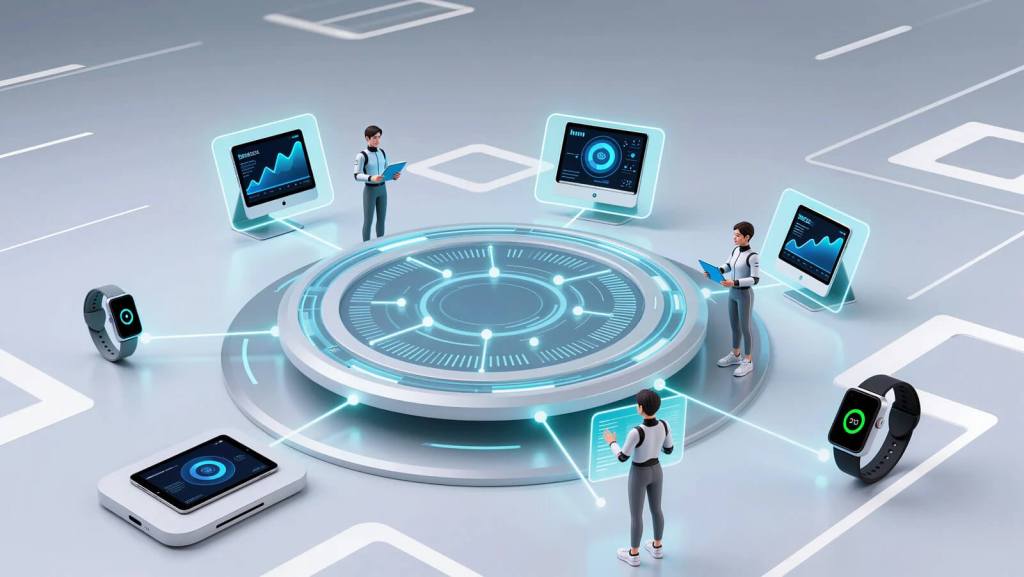
Sarah AI

Automotive Sales Assistant

Meet Sarah AI, the intelligent automotive sales assistant that helps dealerships connect with more buyers, close more deals, and deliver outstanding customer experiences.

  • The Modern Automotive Sales Manager

    In today’s fast-changing dealership world, the role of the automotive sales manager has evolved far beyond managing a showroom and setting sales targets. It’s now about mastering technology, understanding buyer psychology, and building a sales ecosystem that thrives online and offline.

    From AI-powered CRMs to social media lead generation, today’s sales leaders juggle more tools than ever before—and those who adapt quickly are the ones closing deals faster, motivating teams smarter, and hitting those monthly goals consistently.

    So, let’s dive deep into what makes a truly great automotive sales manager, the tools they use, and how innovative platforms like SimpSocial are reshaping dealership operations from the ground up.

    What Exactly Does an Automotive Sales Manager Do?

    Traditionally, the automotive sales manager handled daily sales reports, supervised salespeople, and made sure every car on the lot had a price tag that moved inventory. But today, that job description has grown to include:

    • Digital lead management – nurturing online leads through CRMs, chatbots, and text automation.
    • Data-driven decision making – analyzing sales reports, conversion data, and ad performance.
    • Customer relationship building – engaging through social media, email campaigns, and post-sale follow-ups.
    • Technology adoption – leveraging AI and automation platforms to reduce manual work.

    Essentially, the role now blends sales leadership, marketing intelligence, and tech fluency—a mix that defines top-performing dealerships around the world.

    The Changing Landscape of Automotive Sales

    Let’s be honest: today’s car buyer doesn’t just walk into the dealership with no idea of what they want. They’ve done their research online, compared options, read reviews, and even pre-qualified for financing before setting foot in the showroom.

    That means the automotive sales manager must meet customers where they already are—online.

    Tools like AI-driven chat assistants and CRM integrations have made it easier to keep buyers engaged throughout the journey. Platforms like SimpSocial make this effortless by combining real-time lead engagement, automated follow-up, and advanced communication tools—all under one roof.

    At SimpSocial, their AI assistant Sarah instantly engages leads, schedules appointments, and follows up after the sale, ensuring no opportunity slips through the cracks.

    This is exactly the type of automation that helps sales managers focus on strategy rather than repetitive tasks.

    Key Responsibilities of an Automotive Sales Manager in 2025

    The automotive sales manager of today isn’t just a leader—they’re a strategist, mentor, and data interpreter. Here’s what their day-to-day typically includes:

    1. Setting Clear Sales Targets

    Goals are everything in this business. From new vehicles to pre-owned units, accessory packages, and finance add-ons, an automotive sales manager needs to set achievable yet ambitious targets—and motivate their team to hit them.

    2. Tracking KPIs and Performance Metrics

    Data is king. Tracking conversion rates, customer satisfaction, and response times helps refine processes. With SimpSocial’s built-in analytics dashboard, managers can monitor engagement patterns and identify which leads convert fastest.

    3. Team Motivation and Training

    A motivated sales team performs better—period. Regular training on objection handling, product knowledge, and digital communication is essential. Many managers now use role-playing and AI-powered sales simulations to keep skills sharp.

    4. Customer Retention and Relationship Management

    Customer loyalty in the automotive industry is gold. Sales managers should focus on post-sale communication—personalized follow-ups, service reminders, and loyalty offers. This is where SimpSocial’s automated messaging helps keep that connection alive 24/7.

    5. Leveraging Digital Marketing

    With 80%+ of car buyers starting their journey online, managers must understand SEO, PPC, and social media marketing. Coordinating with the marketing team to align promotions with inventory is a huge part of maintaining momentum.

    Why the Best Automotive Sales Managers Use AI

    Let’s face it: manual lead follow-ups and spreadsheets are dead. The future belongs to AI.

    Platforms like SimpSocial are transforming how dealerships communicate. Their AI assistant, Sarah, doesn’t just respond to leads—it builds relationships. She sends appointment reminders, answers common questions, and nurtures cold leads automatically.

    The results?

    • Faster response times
    • Higher appointment show rates
    • Increased customer satisfaction

    When your automotive sales manager combines AI engagement with human empathy, your dealership becomes unstoppable.

    Top Qualities Every Automotive Sales Manager Should Have

    The automotive industry rewards those who adapt quickly. Here are the standout qualities that separate the average from the exceptional:

    1. Tech-Savvy Mindset – Understanding CRMs, digital marketing tools, and AI systems is crucial.
    2. Leadership by Example – Teams reflect their leader’s attitude. A confident, motivated manager inspires performance.
    3. Customer-First Mentality – Prioritizing customer experience leads to repeat business and referrals.
    4. Analytical Thinking – Reading data insights helps identify weak spots and improve conversion rates.
    5. Adaptability – The market changes fast—electric vehicles, subscription models, and online showrooms are the new norm.

    How SimpSocial Empowers Automotive Sales Managers

    Every sales manager’s dream is to have a consistent pipeline of qualified leads that convert—and SimpSocial delivers exactly that.

    Here’s how:

    • AI-Powered Engagement – Sarah, the AI assistant, engages leads instantly and maintains meaningful interactions 24/7.
    • Power Dialer – Keeps sales teams on track with follow-ups and cold calls without missing a beat.
    • Automated Messaging – Streamlined SMS and email communication improve efficiency and customer experience.
    • Social Media Lead Generation – Precision-targeted ads tied to live inventory make sure your dealership is visible to active shoppers.

    Instead of juggling multiple tools, everything is centralised. That means the automotive sales manager can finally focus on coaching, closing deals, and scaling performance—not managing admin chaos.

    Challenges Automotive Sales Managers Face (and How to Beat Them)

    Even the best managers hit roadblocks. Here are the biggest ones—and how to overcome them.

    1. Lead Leakage

    Leads come in from multiple channels—social, phone, web forms—and some slip through.
    Solution: Use a unified platform like SimpSocial that captures and nurtures every lead automatically.

    2. Burnout

    Sales teams face long hours and high stress.
    Solution: Automate repetitive tasks and celebrate wins often. A little recognition goes a long way.

    3. Customer Expectations

    Modern customers want instant responses and transparent pricing.
    Solution: AI chatbots and automated follow-ups keep communication quick and accurate.

    4. High Staff Turnover

    Dealerships often struggle with retention.
    Solution: Offer ongoing training, clear progression paths, and tools that make the job easier—not harder.

    Automotive Sales Manager Career Growth

    For anyone aspiring to this role, the growth potential is massive.

    Starting as a sales consultant, you can move into a sales manager, then general manager, and even dealer principal positions. The key is mastering leadership, analytics, and technology early on.

    Today’s most successful automotive sales managers blend old-school relationship-building with new-school automation and data.

    If you’re passionate about cars, numbers, and people, this could be the most rewarding career in the automotive space.

    Future of Automotive Sales Management

    The next decade will redefine the automotive industry.

    Expect to see:

    • More AI Integration – Predictive sales forecasting and automated CRM updates.
    • Virtual Showrooms – Video-based vehicle tours and remote test drives.
    • Personalized Buying Journeys – Hyper-targeted marketing and one-to-one communication.

    As digital retailing expands, the automotive sales manager will become more of a “digital sales architect” than a traditional floor leader.

    Platforms like SimpSocial are paving the way for that future, blending automation with human engagement for a truly frictionless customer experience.

    Final Thoughts

    Being an automotive sales manager today means mastering people, process, and technology. You’re not just selling cars—you’re creating experiences, building trust, and managing teams through transformation.

    If your dealership isn’t already powered by automation, it’s time to step up. With SimpSocial, you can bridge the gap between human connection and AI efficiency—keeping leads warm, customers happy, and sales goals crushed every month.

    So, the next time someone asks what an automotive sales manager really does, just tell them this:

    “We turn data, leads, and technology into horsepower for growth.”

  • Auto Feature Insights: Why They Matter in the Car Market

    If you’ve ever shopped for a car, you know how many features are packed into modern vehicles—heated seats, adaptive cruise control, built-in WiFi, auto-braking, keyless start, remote apps…the list goes on. But what if you could go beyond simply listing features and actually know which ones matter most to buyers? That’s exactly where auto feature insights come into play.

    At SimpSocial, we believe that every lead is a real opportunity. Our AI assistant Sarah engages leads instantly, sets appointments, and follows up post-sale—so when you know what features your customers truly care about, you can connect smarter, faster, and more effectively.

    Let’s explore how auto feature insights work, why they’re crucial for dealerships and marketing teams, and how you can use them right now to boost engagement and sales.

    What Are Auto Feature Insights?

    It refers to data-driven understanding of how specific vehicle features impact buyer behavior, search trends, inventory preferences, and sales outcomes. Instead of just knowing that a car has a sunroof or blind-spot monitor, you analyze whether those features actually influence purchase decisions, browsing habits, and campaign performance.

    In other words: it’s the difference between “this car comes with heated seats” and “60% of buyers in our market searched for heated seats during winter—and those cars sold 20% faster.” Use auto feature insights to know what features drive action.

    Why They Matter (Especially Today)

    Modern car buyers are smarter and more informed than ever. They research online, compare models, check inventory, and often decide before they step foot in a dealership. That means you need to speak their language—and that language increasingly revolves around features.

    Here are the big reasons auto feature insights matter:

    • Targeted Marketing: You don’t need to advertise every feature; you need to highlight the features your market cares about.
    • Better Sales Conversations: A salesperson who knows the buyer is interested in “rear-cross traffic alert” can highlight the right vehicle faster.
    • Smarter Inventory Planning: If you know buyers in your region prioritize AWD + heated seats during winter, focus your lot accordingly.
    • Personalized Engagement: At SimpSocial, when Sarah reaches out via text or chat, she can reference features the lead has browsed—making the dialogue feel tailored and human.
    • Improved Retention & Upsell: Feature insights aren’t just about the sale—they help with service campaigns, upgrades, and loyalty.

    When you combine these insights with tools like SimpSocial’s engagement platform, you turn feature data into real results.

    Key Categories of Auto Feature Insights

    To make the most of feature insights, it helps to group features in categories that align with different buyer motivations. Here are five major categories:

    1. Safety & Driver Assistance

    Features like lane-keep assist, blind-spot monitors, adaptive cruise control, automatic emergency braking. These are frequently cited by buyers looking for practical benefits and higher resale value.

    2. Comfort & Convenience

    Think heated seats, memory driver settings, power liftgates, ambient lighting. These are emotional drivers—buyers who want to feel good about their vehicle.

    3. Infotainment & Connectivity

    Apple CarPlay, Android Auto, built-in WiFi, voice controls. Modern buyers expect seamless tech, and feature insights help you understand which systems influence their decision.

    4. Performance & Capability

    Turbochargers, sport modes, towing packages, all-wheel drive. For some buyers the “fun factor” or utility matters more than headline horsepower.

    5. Eco-Friendly & Efficiency

    Hybrid powertrains, EV range, regenerative braking, low-emissions packages. As consumer awareness grows, these features increasingly shape buying behavior.

    With feature insights you can see which categories matter most in your specific market—and tailor your marketing, inventory and engagement to match.

    How Dealerships Use Auto Feature Insights to Drive Results

    Today’s top dealerships use feature insights as part of their daily strategy. Here’s how:

    A. Marketing & Advertising

    When you know which features your audience searches for, you can craft ad copy around those features rather than generic terms. For example: “Looking for a family SUV with Chevy’s Super Cruise and heated second-row seats? We’ve got you.” That kind of targeted message resonates.

    B. Lead Engagement

    Using SimpSocial, once a lead visits your website and views a vehicle with certain features, Sarah AI can send a text referencing that feature: “Saw you checked out the model with ventilated seats—would you like to compare two in stock today?” This level of relevance boosts engagement and trust.

    C. Inventory Decisions

    If your feature insights show high demand for “rear-seat entertainment” in your region (say, due to families being your main segment), you prioritize getting vehicles that match. You also adjust your reconditioning process to highlight those features upfront.

    D. Sales Floor Conversations

    Feature insights empower sales teams with real data. A rep can say: “In our market, vehicles with the panoramic sunroof and premium audio sell 15% faster.” That builds credibility.

    E. Service & Retention

    Don’t stop after the sale. Features also drive future service and engagement. For example: buyers of connected vehicles expect software updates, remote features. Your follow-up messages (via SimpSocial) can reference their feature set and invite them back for maintenance tied to those systems.

    Real Example: Turning Insights into Engagement with SimpSocial

    Here’s how it might look in real life:

    A dealership notices via analytics that “wireless phone charging” is gaining significant interest among younger buyers in their zip code. They adjust inventory, highlight that feature in ads, and when a lead comes in browsing a vehicle with wireless charging, Sarah AI sends:

    “Hey! Noticed you were looking at the XYZ model with wireless phone charging + Apple CarPlay. We’ve got one available for a test drive—interested?”

    Behind the scenes, the campaign is tied to live inventory and outreach is automated. The result? Faster conversion, higher lead engagement, and vehicles moving faster.

    That’s the power of combining auto feature insights with an engagement platform like SimpSocial.

    How to Start Leveraging Auto Feature Insights in Your Dealership?

    Ready to begin? Here’s a practical checklist:

    1. Gather Data – Use website analytics, CRM lead data, social ad response metrics to see which features lead to engagement.
    2. Identify Trends – Which features are rising in interest? Which are plateaued? Use feature insight tools or reports.
    3. Segment Your Audience – Know which buyer groups care about which features (families, tech-savvy, eco-buyers).
    4. Craft Targeted Messaging – Align your ad copy, emails, texts around the high-interest features.
    5. Integrate with Inventory & Sales – Make sure your vehicle stock reflects trends and your sales team highlights the right features.
    6. Automate Engagement – Platforms like SimpSocial allow you to automatically reach out to leads based on the features they viewed or asked about.
    7. Measure & Optimize – Track feature-based campaigns: engagement rates, test drive bookings, conversions, and inventory turn. Adjust accordingly.

    Final Thoughts

    Cars are no longer just transportation—they’re mobile experiences filled with technology, comfort, connectivity, and capability. That means buyers care deeply about what features a vehicle offers, and which ones align with their needs.

    For modern dealerships, auto feature insights aren’t optional—they’re essential. When you understand which features matter, who cares about them, and how to engage accordingly, you win.

    And when you pair those insights with a powerful engagement platform like SimpSocial, you not only know what matters—you act on it, immediately, and automatically.

    Whether you’re improving your marketing, adjusting your inventory, or enhancing your sales scripts, auto feature insights give you the roadmap. And SimpSocial gives you the engine to drive it forward.

  • AI Auctions: Transforming the Automotive Game

    If you’re in the automotive world—dealerships, remarketing, fleets—you’ve likely heard the buzz about ai auctions. But what does that really mean, how are these new auctions different, and why should you care? Let’s dive in.

    In short: traditional auto auctions are being upgraded with artificial intelligence, machine learning, predictive analytics and automation. For dealers, buyers and sellers alike, that means faster decisions, smarter pricing, and bigger opportunities.

    At the same time, companies like SimpSocial are helping dealerships level up by integrating AI not just for auctions but for engaging leads, following up, and turning those auction purchases (and all other inventory) into real sales.

    What Are AI Auctions?

    AI auctions are digital auction platforms powered by artificial intelligence that help analyze vehicle data (condition, VIN, history, market demand), recommend pricing and bidding strategies, target buyers intelligently, and handle many of the repetitive or data-intensive parts of the auction process.

    In other words: rather than purely human-driven bidding and pricing, the system uses algorithms that process large datasets (historical sale prices, condition reports, demand fluctuations) and automates many tasks to produce faster, smarter outcomes.

    Here’s the typical flow of an AI auction process:

    • A vehicle is entered with all available data (VIN, mileage, service history).
    • The AI algorithms evaluate that data, combine it with market-data and compare similar vehicles sold at auction.
    • A predicted market value is generated.
    • The listing may be marketed or pushed to the most likely buyers.
    • During the auction, AI monitors bidding activity, may adjust timing or increments, and can even trigger auto-close if the auction hits certain thresholds.

    Why Dealers Should Care About AI Auctions

    You might ask: “My dealership already attends auctions, buys inventory, negotiates—why does AI matter to me?” Good question. Here’s why it’s worth paying attention:

    1. Faster and Smarter Decisions

    With AI pricing and predictive analytics, you can make quicker buy vs pass decisions at auction. The manual process (looking at spreadsheets, checking comps) slows things down. AI speeds things up.

    2. Reduced Risk

    AI helps flag vehicles that may be overpriced, have hidden damage, or are likely to sit unsold. It can analyze vehicle history and market demand in real time.

    3. Optimized Inventory Turnover

    By acquiring the right vehicles at the right price, you improve inventory turn, reduce aging stock, and increase profitability. AI helps you “know what to buy” and “when to buy” more accurately.

    4. Better Targeting and Marketing

    Once you’ve acquired inventory through an AI-driven auction process, you still need to sell it. That’s where a platform like SimpSocial shines—it helps you follow up with leads, engage them faster, book appointments and convert stock into sales.

    5. Competitive Edge

    If your competitor is using AI to bid smarter and price more aggressively, and you’re not, you might start to fall behind. The auction world is getting more automated and data-driven.

    SimpSocial’s Role in the AI Auctions Ecosystem

    At SimpSocial, the goal is simple: turn every lead into a real opportunity.

    Here’s how SimpSocial complements the AI auctions world:

    • When you acquire vehicles via an AI auction process, you still need to market and sell those vehicles. SimpSocial helps with lead generation tied to live inventory and automated engagement.
    • SimpSocial’s AI assistant Sarah engages leads instantly, sets appointments, follows up post-sale. Whether the lead comes from an ad, your website, or an inventory listing—it doesn’t matter. Sarah makes sure no lead, no call, no sale is missed.
    • Combined with a power dialer, automated texting/messaging, and 24/7 AI engagement, SimpSocial helps you monetize the inventory you buy through auctions much faster.

    So in essence: you acquire smart through AI auctions, and you convert smart through SimpSocial. Both pieces matter.

    Practical Ways to Use AI Auctions + Engagement Together

    Here are some actionable straightforward strategies you can implement:

    A. Pre-Auction Preparation

    • Use AI auction tools to analyze upcoming vehicles and identify which ones fit your market.
    • Upload inventory lists or internal data into your AI system so you know what conditions and pricing are realistic.
    • Set AI-driven “buy boxes” or thresholds—if the estimated value falls below what you want, pass or negotiate.

    B. Post-Auction Engagement

    • As soon as you acquire a vehicle, update your live inventory and link it into your lead-gen campaigns.
    • Use SimpSocial’s targeting methods (social ads, live inventory tie-ins) to generate high-intent leads.
    • Let Sarah AI follow up in real time. A lead sees a vehicle you just bought → they message in → Sarah engages and books appointment.

    C. Continuous Optimization

    • Track data: how many vehicles from AI auctions sell, at what margin, how fast they turn.
    • Analyze which types of vehicles perform best with your campaigns.
    • Adjust both your auction acquisition strategies and your marketing accordingly—AI is only as good as the data you feed it.

    What the Data and Experts Are Saying

    According to multiple industry sources:

    • AI is increasingly used in auctions for valuation, condition assessment, fraud detection and pricing.
    • AI tools in auctions can reduce time-to-decision significantly and improve pricing accuracy.

    In the automotive remarketing world, companies like Copart are already using AI for large scale auctions, salvage valuations and bidding processes.

    So yes—this isn’t hypothetical. The shift is happening now.

    Challenges and Considerations

    Of course, every innovation comes with caveats. Here are some things you’ll want to keep in mind with AI auctions:

    • Data Quality Matters: If your vehicle info (VIN, condition, service history) is inaccurate, AI models won’t perform well.
    • Human Oversight Still Important: AI augments decisions—it doesn’t (yet) replace every human judgement. You still need experienced buyers.
    • Transparency & Bias: Some AI systems can be “black boxes.” It’s wise to understand how the model works and ensure fairness/bias issues are considered.
    • Integration: Acquiring inventory via AI is one thing; integrating it into your marketing, sales & follow-up workflows is another. SimpSocial helps bridge that gap.
    • Change Management: Staff need training, processes need updating. Tools alone won’t solve everything.

    What the Future of AI Auctions Looks Like

    The future is exciting and evolving quickly. Here are some trends to watch:

    • Hyper-Personalized Auctions: Auctions may adapt in real time to specific buyer profiles, showing inventory tailored to what each bidder is interested in.
    • Blockchain + AI: Immutable vehicle history + AI valuation = trust and transparency.
    • Fully Automated Auction Events: The idea of a human “auctioneer” may become less common. AI systems can moderate, manage pace, adjust increments automatically.
    • Global Reach & Real-Time Insights: Auctions may become borderless, with AI coordinating multi-region bidding, currency conversions, condition assessments.
    • Deeper Integration with Inventory & Lead Engagement: The bridge from acquisition to sale will become even tighter—AI auctions feed directly into AI marketing/CRM systems. That’s where SimpSocial fits perfectly.

    Why Your Dealership Should Get On Board

    If you’re managing a dealership or inventory procurement operation, here’s why you don’t want to wait:

    • Buying smarter means higher margins.
    • Engaging leads faster means more conversions.
    • Adopting now means you may capture advantage before competitors catch up.
    • The tools to integrate acquisition + engagement (like SimpSocial) are mature and ready.

    Conclusion

    AI auctions represent a major leap forward in how vehicles are bought and sold in the automotive world. They combine data-driven valuation, smart bidding, buyer targeting and streamlined operations—meaning faster decisions, less risk, and better margins.

    But acquiring a vehicle is only part of the story. The real win comes when you convert that inventory into sales—and that’s where the engagement piece matters. With SimpSocial’s combination of lead generation tied to live inventory and AI engagement (via Sarah AI, power dialer, automated messaging), dealerships can close the loop from acquisition to sale.

    If you’re looking to stay ahead in a rapidly evolving market, make sure you’re not just thinking about auctions—but thinking about how you engage the inventory you acquire. Because at the end of the day, it’s not just about what you buy—it’s about how quickly and effectively you sell.

  • Automotive Industry Innovations: The Future of Driving

    If you’ve been watching the car world lately, you’ve probably noticed how rapidly things are changing. From electric vehicles to autonomous driving, the pace of transformation is intense—and what’s making it all possible are some of the biggest automotive industry innovations we’ve seen in decades.

    For dealerships, manufacturers, and aftermarket services alike, it’s no longer just about selling cars—it’s about selling experiences, connectivity, and future-readiness. And in the middle of this shift is SimpSocial, helping dealers stay ahead by transforming how they engage leads and customers.

    So buckle up, because we’re going to take a ride through some of the most exciting automotive industry innovations today, how they impact dealerships and buyers, and where things could be headed next.

    What We Mean by Automotive Industry Innovations

    When we talk about automotive industry innovations, we’re referring to the breakthroughs in technology, business models, manufacturing, and customer engagement that are reshaping how cars are made, sold, and used. These innovations include things like:

    • Electric and alternative-fuel vehicles.
    • Autonomous and semi-autonomous driving systems.
    • Connected vehicles, infotainment, and vehicle-to-everything (V2X) communication.
    • Digital manufacturing, AI, robotics, smart supply chains.
    • New consumer-driven mobility models (subscriptions, ride-share, etc.).

    Each of these innovations impacts how dealerships operate, how customer expectations evolve, and how the overall industry will look in a few years.

    Why These Innovations Matter for Dealerships

    As a dealership or someone involved in auto sales, you may be wondering, “Okay, new tech is cool—but what does it mean for me?” Here are some key impacts of automotive industry innovations for the front lines:

    1. Buyer Expectations Are Changing

    Customers today expect more than just a car—they expect tech, connectivity, personalization, and speed. That means dealerships must adapt to sell not just vehicles, but value-added experiences.

    2. Inventory & Product Mix Shift

    With electric vehicles (EVs), hybrids, and new mobility models gaining traction, the mix of what you sell is changing. You’ll need to stay informed and reflect those automotive industry innovations in your lot, your messaging, and your training.

    3. New Sales & Marketing Channels

    Connected cars, data, and digital experiences mean you’re no longer just selling a product — you’re selling a service, access, convenience. That opens new marketing possibilities and channels to stay competitive.

    4. Efficiency Matters More Than Ever

    Behind the scenes, manufacturing, logistics, and supply chains are transforming. Dealerships that align with those efficiencies can get better vehicles sooner, reduce costs, and provide better customer service.

    5. The Post-Sale Relationship Is Stronger

    Thanks to tech and connectivity, the relationship with a buyer doesn’t end when they drive off the lot. Service, updates, connected features—these all become part of the ownership experience. If you embrace the innovations, you can turn one-time buyers into long-term customers.

    How SimpSocial Empowers Dealerships in the Midst of Innovation

    At SimpSocial, the philosophy is clear: turn every lead into a real opportunity.

    Because the auto world is changing fast, dealerships need smarter ways to engage customers. SimpSocial brings together two game-changing solutions: precision-targeted social media lead generation tied to live inventory, and a powerhouse engagement platform with AI at the core.

    Here’s how SimpSocial supports dealerships navigating automotive industry innovations:

    • Sarah AI Engagement – With built-in AI outreach, Sarah instantly engages leads, sets appointments, and follows up post-sale. That means even with changing customer behavior, you never miss a connection.
    • Power Dialer + Automated Messaging – With the rise of digital consumer expectations, speed matters. SimpSocial helps you respond fast and stay top-of-mind.
    • Live Inventory Integration & Social Media Targeting – As new vehicle types (like EVs or connected models) hit the market, your marketing must reflect what you actually have in stock. SimpSocial ties messaging to live inventory for relevancy.
    • 24/7 AI Engagement – The innovations reshaping the industry also mean the sales cycle can happen at any time. With AI engagement around the clock, your dealership keeps up.

    In short, while the automotive industry is innovating at a rapid pace, SimpSocial helps dealerships keep their marketing, sales, and engagement systems aligned.

    Key Automotive Industry Innovations to Know Right Now

    Let’s dig deeper into some particularly powerful innovations changing the automotive world—and what that means for dealerships.

    Innovation 1: Electrification & Alternative Powertrains

    Electric vehicles and alternative fuel models are no longer niche—they’re mainstream. With governments pushing for lower emissions and consumers more aware, this shift is a hallmark of automotive industry innovations.

    What this means for you:

    • Inventory should start reflecting more EVs/hybrids or services tied to them.
    • Marketing and messaging need to emphasize benefits (range, charging, sustainability).
    • Staff training becomes more important—buyers will ask different questions.

    Innovation 2: Autonomous & Semi-Autonomous Driving

    Self-driving features, driver-assist tech, and autonomous concept vehicles are increasingly part of the conversation.

    Buyer expectations change: they’re more tech-savvy, interested in safety and automation features. Dealerships must be ready to explain and showcase these features.

    Innovation 3: Connected Cars & Digital Services

    Vehicles are becoming digital devices—connected to the internet, integrating apps, and communicating with infrastructure.

    Sensors, infotainment, over-the-air updates, vehicle apps—all of these are part of the new ownership era. Dealers that lean into these innovations create stronger relationships with customers.

    Innovation 4: Smart Manufacturing & Supply Chain Innovations

    It’s not just what’s in the car—it’s how it’s made. Smart factories, robotics, AI in manufacturing, and digital supply chains are part of the larger wave of automotive industry innovations.

    For dealerships, this can mean better availability, fewer delays, and stronger partnerships with OEMs.

    Innovation 5: New Business Models & Digital Retailing

    From subscriptions to online buying to app-based rentals, the way people buy and use vehicles is shifting.

    Dealerships need to adapt how they market, how they deliver value, and how they follow up. The innovations go beyond the car itself—they’re in the entire business model.

    How Dealerships Can Stay Ahead and Capitalize on Innovations

    Now that we’ve covered the what and why of automotive industry innovations, let’s talk about how you can proactively benefit from them.

    1. Educate Your Team – Ensure your sales and service teams understand the latest technologies (EV, connected features, etc.). Knowledge builds trust with buyers.
    2. Align Inventory & Marketing – Make sure you have models that reflect emerging trends and that your messages speak to modern buyer concerns.
    3. Use Smart Engagement Tools – Platforms like SimpSocial help you stay connected with leads and customers as expectations evolve.
    4. Focus on Experience – Tech features and new models are exciting—but they only matter if the customer experience is smooth and personal.
    5. Monitor Performance & Adjust – Use data to see what’s working (e.g., marketing around EVs, connected features) and optimize accordingly.
    6. Build for Long-Term Relationships – Innovations mean the vehicle lifecycle is longer and more service-oriented. Use technology to stay connected after the sale.

    Bringing It All Together

    The landscape of the auto world is shifting faster than most have seen in decades. From electrification to connectivity, from new business models to digital engagement—these automotive industry innovations are rewriting the rules.

    As a dealership or industry professional, your challenge is not just to keep up—but to lead. To bring the tech, the experience, and the customer value onto your lot, into your digital channels, and into your relationships.

    And this is where SimpSocial becomes a key partner. With tools designed for the modern era—AI engagement, automatic follow-up, inventory-integrated marketing—SimpSocial helps you ride the wave of innovation rather than getting left behind.

    Because while cars themselves are getting smarter, how we sell them needs to get smarter too.

  • AI Lead Generation: Future of Smarter Customer Connections

    If you’ve been in sales or marketing for more than a minute, you’ve probably noticed how fast things are changing. Gone are the days of cold calling, generic email blasts, and waiting weeks for responses. Today’s buyers expect speed, relevance, and personalization—and that’s exactly where AI lead generation comes in.

    Artificial Intelligence is changing the game. It’s smarter, faster, and more efficient than traditional lead generation methods—and it’s helping businesses of all kinds (especially dealerships) connect with ready-to-buy customers in record time.

    In this guide, we’ll break down how AI is revolutionizing lead generation, why it’s such a big deal for sales teams, and how platforms like SimpSocial are making it easier than ever to turn leads into real opportunities.

    What Is AI Lead Generation?

    AI lead generation is the process of using artificial intelligence and machine learning to find, attract, and qualify potential customers automatically. Instead of relying on manual data entry or guesswork, AI tools use smart algorithms to analyze customer behavior, identify buying intent, and even start conversations in real time.

    Think of it as having a supercharged digital assistant that works 24/7—finding the right people, starting the right conversations, and passing only the most qualified leads to your sales team.

    Some of the ways AI improves lead generation include:

    • Predictive analytics to identify which prospects are most likely to convert.
    • Chatbots and virtual assistants that instantly engage visitors on your website.
    • Automated email and text follow-ups that feel personal but require zero manual work.
    • Data enrichment tools that give deeper insights into each lead’s behavior and preferences.

    It’s like having a marketing department that never sleeps—and never forgets to follow up.

    Why AI Lead Generation Is Changing the Game

    In today’s hyper-competitive market, response time and personalization can make or break a sale. AI helps businesses handle both with ease. Here’s why it’s a total game-changer:

    1. Speed That Humans Can’t Match

    According to Harvard Business Review, responding to a lead within five minutes makes you 100 times more likely to make contact and qualify that lead. AI makes that happen instantly—no matter the time of day.

    2. Smarter Targeting

    AI analyzes massive amounts of data—from social media activity to search patterns—to find people who are actually interested in what you’re selling. That means no more wasting ad spend on the wrong audience.

    3. Always-On Engagement

    AI never takes breaks, sleeps, or forgets to follow up. Whether it’s 2 p.m. or 2 a.m., your leads are getting attention right when they need it most.

    4. Personalized Conversations at Scale

    AI can tailor messages based on a lead’s history, location, and preferences. It’s like having hundreds of personalized conversations happening at once—all automated.

    5. Better ROI and Efficiency

    When AI handles the repetitive stuff, your sales team can focus on what really matters: building relationships and closing deals.

    SimpSocial: The Powerhouse Behind Smarter Lead Generation

    At SimpSocial, the mission is clear: turn every lead into a real opportunity.

    SimpSocial combines cutting-edge automation with real conversational intelligence, giving dealerships and businesses everything they need to engage leads instantly and intelligently.

    Here’s What Makes SimpSocial Stand Out:

    • Sarah AI: Your Digital Sales AssistantSarah instantly engages new leads through text, chat, or social media, books appointments automatically, and follows up post-sale—so your team never misses a lead, call, or sale.
    • Precision-Targeted Social Media Lead GenerationSimpSocial connects social media ads directly to live inventory, ensuring you’re only attracting high-quality, ready-to-buy customers.
    • Built-In Power DialerNeed to call leads faster? The Power Dialer boosts efficiency by automating outreach while keeping it personal.
    • Automated Messaging and 24/7 EngagementSimpSocial’s platform works around the clock, ensuring your brand stays active even when your team is off the clock.

    SimpSocial’s AI tools don’t just find leads—they nurture them, qualify them, and hand them to your sales team when they’re ready to buy.

    How AI Lead Generation Actually Works

    So how does AI pull this off? Here’s what’s happening behind the scenes.

    1. Data Collection and Analysis

    AI collects data from every digital touchpoint—your website, ads, social media, and CRM. It looks for behavioral signals like search intent, page visits, and engagement patterns.

    2. Predictive Lead Scoring

    Once AI has the data, it scores leads based on how likely they are to convert. For example, someone who spends 10 minutes comparing car models on your website is a much hotter lead than someone who just visited once.

    3. Automated Outreach

    Using tools like chatbots, AI texting, or email sequences, AI reaches out instantly—answering questions, booking appointments, and keeping leads engaged.

    4. Continuous Optimization

    AI doesn’t just set and forget—it learns. Over time, it fine-tunes your campaigns for better performance and higher conversion rates.

    This cycle of learning and improvement is what makes AI so powerful—it’s constantly evolving, getting smarter, and delivering better results.

    Real-World Example: Sarah AI in Action

    Let’s say a potential customer visits a dealership website looking for a new SUV. They check out a few models, fill out a contact form, and leave.

    Before, that lead might have gone cold overnight.

    But with SimpSocial’s Sarah AI, the customer gets an instant text:

    “Hey there! Thanks for checking out our SUV lineup. Would you like to see which ones are available for a test drive tomorrow?”

    Within seconds, the lead responds, schedules a test drive, and gets reminders—automatically handled by AI. By the time your sales team arrives in the morning, they’ve already got a confirmed appointment waiting.

    That’s AI lead generation at work—fast, personal, and effortless.

    The Benefits of AI Lead Generation

    AI isn’t just about automation—it’s about smarter, faster, and more meaningful engagement.

    Here’s What Businesses Gain:

    • More qualified leads (AI filters out low-quality prospects automatically)
    • Higher conversion rates (personalization leads to stronger engagement)
    • Reduced marketing costs (spend less chasing unqualified leads)
    • Improved customer satisfaction (faster, friendlier communication)
    • Real-time insights (know what’s working—and what’s not—instantly)

    Simply put, AI doesn’t just generate more leads—it generates better ones.

    The Future of AI in Lead Generation

    The future of AI lead generation looks even more exciting. As AI continues to evolve, we’ll see more integration with voice assistants, predictive behavior tracking, and even emotion recognition in chat interactions.

    Imagine a system that can detect a customer’s mood and adapt its tone to match—calm and helpful for frustrated users, enthusiastic and friendly for excited buyers. That’s not science fiction anymore—it’s where AI is headed.

    Soon, businesses won’t just be generating leads—they’ll be building real-time, emotionally intelligent relationships at scale.

    Why SimpSocial Is Leading the Way

    When it comes to combining AI technology with human touch, SimpSocial stands out.

    With Sarah AI, dealerships and businesses don’t just automate—they communicate. Every interaction feels natural, helpful, and perfectly timed. And because SimpSocial integrates with live inventory, marketing campaigns, and CRM systems, it ensures no opportunity slips away.

    At SimpSocial, the belief is simple:

    “AI should make sales feel more human, not less.”

    That’s why it continues to power the next generation of AI lead generation—helping businesses engage smarter, sell faster, and grow stronger.

  • Artificial Intelligence for Automotive Sales: The Future of Smarter Selling

    Let’s be honest—car sales aren’t what they used to be. Gone are the days of cold calls, long test drives, and waiting for customers to walk through the dealership doors. Today, the automotive world runs on speed, convenience, and connection. That’s where artificial intelligence for automotive sales steps in.

    AI isn’t just a futuristic buzzword anymore—it’s the new reality for modern dealerships. It helps sales teams connect faster, follow up smarter, and sell more efficiently than ever before. From predicting customer behavior to automating lead engagement, AI is transforming how dealerships operate, making the car-buying experience smoother for both buyers and sellers.

    And leading this revolution is SimpSocial, a platform designed to make sure dealerships never miss a lead, call, or sale.

    What Is Artificial Intelligence for Automotive Sales?

    It refers to the use of smart algorithms and data-driven systems to automate and enhance every step of the sales process. It helps dealerships understand what customers want, when they want it, and how best to reach them.

    Think of it as a digital team member that never sleeps.

    From generating leads on social media to following up after a sale, AI handles repetitive tasks so your team can focus on what they do best—building relationships and closing deals.

    Here’s how AI typically shows up in the automotive sales world:

    • Lead generation and scoring: AI identifies which customers are most likely to buy.
    • Automated follow-ups: Instant text or chat responses keep conversations moving.
    • Personalized marketing: Campaigns are tailored to each buyer’s preferences.
    • Inventory matching: AI connects leads to live dealership inventory in real time.
    • Predictive analytics: It helps forecast trends, pricing, and customer intent.

    In short, AI isn’t replacing salespeople—it’s helping them sell smarter.

    Why AI Is a Game-Changer in Automotive Sales

    If you run or work at a dealership, you already know the biggest challenge isn’t just finding leads—it’s managing them.

    Leads come in from every direction: your website, social media, ads, walk-ins, referrals, and even trade-in forms. Without the right tools, it’s easy for opportunities to slip through the cracks.

    AI fixes that by organizing, prioritizing, and acting on leads instantly.

    1. Faster Lead Response = More Sales

    A Harvard Business Review study found that responding to a lead within five minutes makes you 100 times more likely to close the sale. AI makes that possible—because it responds instantly, 24/7.

    2. Personalization at Scale

    AI learns from data—meaning it knows how to tailor communication to each customer. From recommending cars based on preferences to suggesting test drive times, AI personalizes every step.

    3. Automation That Saves Time

    Sales teams often juggle hundreds of leads. With AI-powered texting, chat, and follow-up automation, dealerships can handle all of them without breaking a sweat.

    4. Smarter Decision-Making

    AI doesn’t just manage data—it analyzes it. It tells you which marketing channels work best, which leads are hot, and when to re-engage a customer.

    In short, AI brings structure to the chaos of modern sales.

    Meet SimpSocial: Your AI Partner in Automotive Sales

    At SimpSocial, the mission is simple but powerful: turn every lead into a real opportunity.

    SimpSocial combines automation, artificial intelligence, and social media targeting to help dealerships grow faster and operate more efficiently.

    Here’s What Sets SimpSocial Apart:

    • Sarah AI: Your Always-On Sales Assistant
      Sarah instantly engages leads, answers questions, schedules appointments, and follows up post-sale. She works around the clock, ensuring no lead is ever left behind.
    • Precision-Targeted Social Media Lead Generation
      SimpSocial connects social media campaigns directly to live inventory, generating high-quality leads who are ready to buy.
    • Power Dialer + Automated MessagingMake more calls and send more personalized texts with less effort. SimpSocial’s Power Dialer keeps your team connected and efficient.
    • 24/7 AI Engagement
      Even when your sales team is asleep, Sarah AI is hard at work—responding instantly, booking appointments, and nurturing customers.

    SimpSocial isn’t just another software—it’s a complete AI-driven ecosystem that helps dealerships sell smarter, faster, and better.

    How AI Is Reshaping the Car Buying Experience

    AI doesn’t just help dealerships—it makes life easier for customers too.

    Imagine this: A customer is browsing for a car online late at night. Instead of leaving a message and waiting until morning, they chat instantly with Sarah AI, who answers questions, shares inventory options, and books a test drive.

    No waiting, no back-and-forth—just fast, frictionless communication.

    Here’s how artificial intelligence for automotive sales improves the buying journey:

    1. Instant Responses – No matter what time it is, AI engages leads immediately.
    2. Accurate Information – Customers get real-time updates on availability and pricing.
    3. Personalized Recommendations – AI tailors suggestions to match the customer’s needs.
    4. Frictionless Scheduling – Booking a test drive or service appointment takes seconds.
    5. Follow-Up Without the Hassle – AI keeps the relationship alive long after the sale.

    For customers, that means less stress and more satisfaction. For dealerships, it means higher conversions and better reviews.

    The Role of AI in Marketing and Lead Generation

    AI is changing how dealerships attract and convert leads. It’s no longer about blasting the same message to everyone—it’s about reaching the right person, at the right time, with the right message.

    1. Smarter Advertising

    AI analyzes data to find customers most likely to convert. That means your ad spend goes toward real prospects, not random clicks.

    2. Dynamic Retargeting

    If someone viewed an SUV on your website, AI can automatically show them similar models or special offers on Facebook or Instagram.

    3. Predictive Insights

    AI can predict when a customer is most likely to buy or trade in their car. That allows sales teams to reach out proactively instead of reactively.

    4. Content Personalization

    AI can tailor website content, emails, and messages to each visitor—creating a more human, engaging experience.

    Real-World Example: How Sarah AI Boosts Sales

    Here’s a real scenario that shows how effective AI can be.

    A customer named Lisa is browsing for a 2024 Audi S5 on a dealership website at 11 PM. She fills out a contact form but doesn’t expect an immediate response.

    Within seconds, Sarah AI messages her:

    “Hi Lisa! Thanks for your interest in the 2024 Audi S5. Would you like to see available models or schedule a test drive tomorrow?”

    Lisa is impressed—she schedules a test drive right away. By morning, the sales team already has a qualified appointment waiting in the CRM.

    That’s the kind of instant, personalized experience that converts browsers into buyers.

    The Future of Artificial Intelligence for Automotive Sales

    AI in the automotive industry is just getting started. As technology continues to evolve, dealerships will gain even more powerful tools to connect with customers and close deals faster.

    Here’s what’s next:

    1. Predictive Dealership Analytics
      AI will forecast buying trends, service needs, and trade-in patterns with stunning accuracy.
    2. Voice-Activated Sales Assistance
      Imagine customers using voice commands to get instant car details, financing options, or appointment bookings.
    3. Omnichannel Integration
      AI will unify communication across phone, text, email, and social platforms—creating one seamless experience.
    4. Emotionally Intelligent AI
      Future systems will detect tone and sentiment, adjusting communication to build trust and empathy.
    5. Virtual and Augmented Reality
      Combined with AI, AR will let customers explore vehicles virtually before ever visiting a showroom.

    Dealerships that embrace these technologies early will dominate the market in the years ahead.

    Why SimpSocial Leads the Way

    When it comes to artificial intelligence for automotive sales, SimpSocial is redefining what’s possible.

    By combining automation, social media targeting, and conversational AI, SimpSocial gives dealerships the tools to:

    • Engage every lead instantly.
    • Personalize every conversation.
    • Automate every follow-up.
    • Maximize every sales opportunity.

    And at the heart of it all is Sarah AI—your digital assistant who never sleeps, never forgets, and always delivers.

    At SimpSocial, it’s not just about selling more cars—it’s about creating better conversations, stronger relationships, and a smarter way to do business.

    Conclusion

    The age of artificial intelligence for automotive sales is here—and it’s transforming every part of the car-buying journey.

    AI helps dealerships work smarter, respond faster, and connect more personally with customers. From 24/7 engagement to predictive insights, it’s changing how leads are handled, how relationships are built, and how sales are closed.

    With SimpSocial, dealerships get a complete solution that brings AI to life—through Sarah AI, automated messaging, and precision-targeted social lead generation.

    In an industry where speed and personalization matter more than ever, SimpSocial ensures your dealership stays ahead of the curve—turning every lead into a real opportunity.

  • Dealership Texting Software: The Smart Way to Connect

    The automotive industry is evolving faster than ever, and with it, customer expectations are changing. Today’s car buyers expect instant responses, transparent communication, and seamless experiences—whether they are inquiring about a vehicle online or booking a test drive. To meet these demands, dealerships are increasingly turning to dealership texting software as a core communication and sales tool.

    Texting has become the preferred channel for customer engagement. Unlike email, which can easily be ignored, or phone calls, which often go unanswered, text messages reach customers instantly and are read almost immediately. According to Forbes, 95% of text messages are read within three minutes, making texting the most effective medium for customer interaction.

    This shift has created a new frontier for automotive businesses—one where dealership texting software not only facilitates communication but also drives conversions, builds relationships, and enhances operational efficiency.

    And at the forefront of this digital transformation is SimpSocial, an intelligent engagement platform designed specifically to empower dealerships through automation, AI, and real-time customer connection.

    What Is Dealership Texting Software?

    Dealership texting software is a communication platform that allows car dealerships to send and receive text messages with customers directly from their desktop or mobile systems.

    It centralizes all SMS interactions between sales, service, and marketing teams, ensuring that every message—whether it’s a lead inquiry, service reminder, or follow-up—is tracked, automated, and aligned with the customer journey.

    Core Features Typically Include:

    • Two-way texting: Enables real-time communication between dealership staff and customers.
    • Automated follow-ups: Ensures every inquiry receives a timely response.
    • Integration with CRM systems: Syncs messages with platforms like DealerSocket, Elead, or SimpSocial’s AI engagement tools.
    • Template and campaign creation: Allows consistent, brand-aligned messaging.
    • Multimedia support: Share photos, videos, or PDFs such as vehicle images and financing options.

    By leveraging these capabilities, dealerships can respond faster, close more sales, and deliver exceptional service.

    Why Texting Has Become Essential for Dealerships

    Modern car shoppers value convenience and speed. They’re not interested in waiting hours or days for responses—they expect instant engagement. This makes dealership texting software not just a convenience, but a competitive necessity.

    1. Speed Equals Sales

    Harvard Business Review reports that responding to a lead within five minutes makes you 100 times more likely to make contact and qualify that lead. Texting software automates this process, ensuring your dealership never misses an opportunity.

    2. Higher Engagement Rates

    Compared to emails, which average around a 20% open rate, text messages boast an astonishing 98% open rate. This means your marketing campaigns and service reminders are almost guaranteed to be seen.

    3. Improved Customer Satisfaction

    Texting gives customers control over when and how they communicate. It reduces friction, builds trust, and enhances the buying experience.

    4. Efficiency for Sales and Service Teams

    Dealership texting platforms consolidate communication, allowing teams to manage multiple conversations at once while tracking progress across departments.

    SimpSocial: Redefining Dealership Communication

    At SimpSocial, the philosophy is simple: turn every lead into a real opportunity.

    SimpSocial’s advanced AI-powered platform elevates dealership texting software from a basic communication tool to a full-scale customer engagement system.

    Key Advantages of SimpSocial for Dealerships:

    Sarah AI: Your 24/7 Digital Sales Assistant

    SimpSocial’s intelligent assistant, Sarah, instantly engages leads, sets appointments, and follows up post-sale. With round-the-clock automation, dealerships never miss a lead, call, or sale.

    Precision-Targeted Lead Generation

    SimpSocial connects live social media ads directly to dealership inventory—driving high-quality traffic that converts into actionable conversations.

    Power Dialer Integration

    Combine texting and calling within one system, allowing teams to alternate between channels effortlessly.

    Automated Messaging Campaigns

    Whether it’s promoting weekend sales or reminding customers of service appointments, SimpSocial’s automation ensures consistent communication.

    Seamless CRM Integration

    Every text message syncs automatically with your CRM system, giving your team a complete view of each customer’s journey.

    With SimpSocial, dealerships can scale communication without sacrificing personalization—transforming how they engage leads, service customers, and close deals.

    How Dealership Texting Software Boosts Every Department

    1. Sales Department

    Sales teams can use texting software to:

    • Respond instantly to online inquiries.
    • Send vehicle photos, financing options, or appointment confirmations.
    • Follow up automatically after test drives.

    AI-powered systems like Sarah AI ensure every lead receives timely, personalized attention—even during off-hours.

    2. Service Department

    Service teams benefit from:

    • Automated service reminders and confirmations.
    • Real-time updates on repairs or parts availability.
    • Convenient mobile payment and pickup notifications.

    These touchpoints not only improve operational efficiency but also strengthen customer loyalty.

    3. Marketing Department

    For marketing, dealership texting software acts as a direct, measurable communication channel.

    • Launch personalized offers based on customer history.
    • Promote limited-time sales events or trade-in specials.
    • Track open and response rates for campaign optimization.

    Text marketing’s immediacy drives faster engagement and higher ROI than traditional email blasts or print advertising.

    The Role of AI in Dealership Texting Software

    Artificial Intelligence has completely reshaped what texting software can do. Rather than simply sending templated responses, AI now enables personalized, context-aware communication that feels genuinely human.

    AI-Powered Advantages Include:

    • Instant Customer Recognition – AI identifies returning customers and references previous interactions.
    • Dynamic Scheduling – Automatically proposes appointment slots or test drive times based on team availability.
    • Smart Follow-Ups – Detects when a conversation has gone cold and re-engages with a relevant message.
    • Sentiment Analysis – Understands tone and adjusts responses for empathy and clarity.

    For dealerships, this means faster workflows, higher conversion rates, and happier customers—all powered by automation that never sleeps.

    Real-World Example: Sarah AI in Action

    Imagine a customer browsing a dealership’s website at 10:30 PM. They send a quick inquiry about a 2024 BMW 7 Series. Traditionally, that message might go unanswered until the next morning.

    With SimpSocial’s Sarah AI, the experience is entirely different.

    “Hi there! Thanks for your interest in the BMW 7 Series. Would you like to see financing options or schedule a test drive?”

    In under a minute, the customer receives a personalized response, views available models, and confirms a test drive. When the sales team arrives the next morning, they already have a fully qualified lead waiting in their CRM.

    This is the power of dealership texting software driven by AI.

    Compliance and Professionalism in Text Communication

    Dealerships must adhere to communication laws and guidelines, including the Telephone Consumer Protection Act (TCPA). High-quality texting software ensures compliance by managing opt-ins, storing consent records, and providing opt-out options in every message.

    Professionalism is equally vital. Texts should always maintain a respectful, brand-consistent tone. Platforms like SimpSocial help dealerships create approved message templates to maintain compliance and customer trust.

    Future Trends in Dealership Texting Software

    The future of dealership communication lies in AI-powered, omnichannel systems that integrate texting, social media, voice, and web chat into one seamless experience.

    Key Emerging Trends:

    1. Voice + Text Integration – Combining automated voice assistants with SMS for faster scheduling and updates.
    2. Predictive AI – Identifying when customers are likely to buy or service and reaching out proactively.
    3. Rich Communication Services (RCS) – Enhanced messaging with images, buttons, and payment options.
    4. Hyper-Personalization – Using data analytics to tailor every message to the customer’s preferences.
    5. Real-Time Inventory Integration – Syncing vehicle listings directly into text campaigns for instant availability updates.

    Dealerships that adopt these innovations early will set new standards for efficiency and customer experience.

    Why SimpSocial Leads the Way

    What makes SimpSocial the ultimate choice for dealerships isn’t just technology—it’s strategy.

    SimpSocial empowers modern dealerships with two game-changing solutions:

    • Precision-targeted social media lead generation tied to live inventory.
    • A powerhouse engagement platform that responds, follows up, and books appointments automatically.

    By combining AI texting, automation, and data-driven insights, SimpSocial helps dealerships connect with customers faster and more meaningfully than ever before.

    With Sarah AI managing real-time engagement and automated communication, your team can focus on what matters most—building relationships and closing deals.

    Conclusion

    The era of slow, one-dimensional dealership communication is over. In its place stands a smarter, faster, and more personal approach powered by dealership texting software.

    By integrating AI, automation, and CRM data, dealerships can engage customers instantly, streamline workflows, and deliver experiences that drive loyalty and sales.

    At SimpSocial, this transformation is already a reality. Through Sarah AI, automated texting, precision targeting, and 24/7 engagement, SimpSocial ensures that no lead, call, or sale ever slips away.

    In the competitive world of automotive retail, speed and personalization are everything—and with SimpSocial, dealerships can finally achieve both.

  • Elead: Revolutionizing Automotive CRM

    The automotive retail landscape has transformed dramatically in recent years. Dealerships no longer rely solely on walk-ins or phone inquiries—they now compete in an environment defined by data, automation, and digital engagement. In this fast-moving world, tools like Elead have become central to managing relationships, tracking performance, and maintaining consistent communication with customers.

    At its core, Elead is a customer relationship management (CRM) solution built specifically for the automotive industry. It empowers dealerships to streamline sales processes, improve customer retention, and create more personalized experiences. Yet, while traditional CRM systems remain essential, the industry is evolving toward more advanced, AI-powered engagement models.

    This is where SimpSocial comes in—an intelligent platform that blends AI automation, real-time engagement, and data-driven lead generation to turn every lead into a true opportunity.

    What Is Elead?

    Elead is a comprehensive automotive CRM platform designed to help dealerships manage leads, sales, and service operations more efficiently. It provides a centralized hub for customer data, integrating sales, marketing, and service workflows into a single, cohesive system.

    Key functions of Elead include:

    • Lead and Contact Management – Capturing, tracking, and nurturing potential buyers across multiple channels.
    • Customer Retention Tools – Managing follow-ups, reminders, and loyalty campaigns to encourage repeat business.
    • Integrated Communications – Facilitating text, email, and phone communication directly within the CRM.
    • Reporting and Analytics – Offering real-time insights into dealership performance and employee productivity.

    Essentially, Elead helps dealerships maintain organization, consistency, and visibility throughout the customer journey.

    Why CRM Solutions Like Elead Are Crucial for Dealerships

    Modern dealerships operate in a complex ecosystem of online inquiries, walk-in traffic, trade-ins, and post-sale service interactions. Managing these touchpoints manually is no longer feasible. CRM solutions such as Elead ensure that every interaction—whether it’s a first inquiry or a warranty renewal—flows seamlessly through one integrated system.

    The Benefits of Using Elead:

    1. Centralized Customer Data

    Every lead and transaction is stored in one place, making it easy for sales teams to track engagement history and preferences.

    2. Enhanced Follow-Up Efficiency

    Automated alerts and task assignments ensure that no customer inquiry is overlooked.

    3. Comprehensive Analytics

    Dealerships can measure performance in real time, identifying trends and optimizing sales tactics.

    4. Improved Customer Experience

    A unified CRM eliminates silos, allowing sales and service teams to deliver personalized and timely responses.

    5. Increased Profitability

    When managed properly, CRMs can significantly increase conversion rates and improve lifetime customer value.

    However, while platforms like Elead provide robust management tools, they often lack the proactive engagement capabilities that today’s customers expect. That’s where SimpSocial advances the conversation.

    SimpSocial: A Step Beyond Traditional CRM

    At SimpSocial, the mission is simple yet powerful: turn every lead into a real opportunity.

    SimpSocial builds upon the strengths of traditional CRM systems like Elead but takes automation and engagement to an entirely new level.

    What Sets SimpSocial Apart:

    Sarah AI: The Intelligent Assistant

    Sarah instantly engages with leads, sets appointments, and follows up automatically after the sale. She operates 24/7—ensuring that your dealership never misses a lead, call, or sale.

    Precision-Targeted Lead Generation

    SimpSocial ties live social media campaigns directly to dealership inventory, generating highly qualified leads in real time.

    Built-In Power Dialer and Messaging Automation

    Sales teams can scale outreach effortlessly while maintaining personal connections.

    Complete Integration

    SimpSocial synchronizes seamlessly with existing CRM systems like Elead, enhancing performance rather than replacing it.

    By combining intelligent automation with human-like communication, SimpSocial ensures that every customer interaction feels authentic, timely, and productive.

    How Elead and SimpSocial Complement Each Other

    Instead of viewing CRM and AI platforms as competitors, progressive dealerships use them together.

    • Elead serves as the data repository—storing and organizing customer information.
    • SimpSocial acts as the engagement engine—proactively reaching out, responding, and nurturing those leads.

    When integrated, the two systems create a complete customer lifecycle management framework: from lead capture and nurturing to post-sale follow-up and retention.

    For example, when a new lead enters through Elead, Sarah AI can immediately text or call the prospect, provide vehicle details, and schedule an appointment. That interaction is then logged back into the CRM for future tracking.

    This harmony between structured data management and AI-driven automation results in faster response times, higher conversion rates, and a superior customer experience.

    The Role of AI in Modern Dealership Operations

    Artificial Intelligence is transforming how dealerships operate. Beyond basic data organization, AI now predicts customer behavior, automates engagement, and even personalizes sales offers in real time.

    AI Applications in Dealerships Include:

    1. Predictive Analytics – AI can forecast buyer intent based on online behavior, helping sales teams prioritize high-value leads.
    2. Smart Communication – AI texting tools like Sarah ensure customers receive instant, relevant replies.
    3. Automated Scheduling – AI can manage test drives, service appointments, and reminders without human oversight.
    4. Post-Sale Retention – AI maintains long-term communication, promoting future trade-ins or service deals.

    According to McKinsey & Company, dealerships adopting AI solutions report 20–30% higher lead conversion rates and significantly lower response times. This underscores the importance of integrating AI with CRMs like Elead to stay competitive.

    Best Practices for Using Elead and AI Tools Effectively

    To fully leverage the potential of CRM and AI solutions, dealerships should follow a few key best practices:

    1. Ensure Data Accuracy

    Incomplete or incorrect data can derail automation. Regularly audit customer records in Elead.

    2. Integrate Seamlessly

    Connect Elead with platforms like SimpSocial to automate workflows across channels (SMS, calls, social, and email).

    3. Train Staff Thoroughly

    Technology is only as effective as the people using it. Train teams on both CRM processes and AI engagement tools.

    4. Monitor KPIs

    Track performance metrics like response time, appointment-set rate, and closing ratio.

    5. Maintain the Human Touch

    AI enhances human interaction but shouldn’t replace it entirely. Blend automated and personal outreach for maximum impact.

    Case Example: Enhancing Dealership Performance Through AI + CRM Integration

    Consider a dealership using Elead as its CRM platform. Traditionally, sales staff would receive new leads, reach out manually, and record follow-ups. This process, while functional, often led to missed opportunities due to response delays.

    After integrating SimpSocial, everything changes:

    • Sarah AI automatically responds to new leads within seconds.
    • Appointments are set without waiting for manual confirmation.
    • All interactions are logged automatically in Elead.

    Within weeks, the dealership experiences:

    • A 40% increase in appointment conversions.
    • A 25% reduction in missed follow-ups.
    • Improved CSI (Customer Satisfaction Index) scores due to faster, more consistent communication.

    This real-world example demonstrates how intelligent automation strengthens the CRM foundation rather than disrupting it.

    The Future of Automotive CRM

    The future of CRM in the automotive industry lies in full AI integration. Instead of relying solely on manual data entry and static reporting, next-generation CRMs will act as intelligent ecosystems capable of predictive decision-making and self-optimization.

    Expect to see:

    • Conversational CRMs – Systems that communicate directly with customers via AI-driven messaging.
    • Predictive Lead Routing – Automated lead assignment based on salesperson performance and customer profiles.
    • Hyper-Personalization – Real-time customization of marketing and sales messages based on customer data.
    • Voice AI Integration – Allowing customers to interact through voice assistants like Alexa or Google Assistant.

    These advancements will redefine how dealerships use systems like Elead, making them more responsive, predictive, and customer-centric.

    Conclusion

    As the automotive market continues to evolve, dealerships must adapt by embracing both data management and intelligent automation. Platforms like Elead provide the necessary infrastructure to organize and track leads, while AI-driven solutions such as SimpSocial elevate customer engagement to the next level.

    At SimpSocial, the goal is to ensure that no lead, call, or sale is ever missed. Through Sarah AI, precision social media targeting, automated messaging, and 24/7 engagement, dealerships gain a competitive edge in an increasingly digital world.

    In the era of smart technology, success belongs to dealerships that integrate structure with intelligence. Together, Elead and SimpSocial exemplify the future of automotive sales—data-driven, responsive, and customer-focused.

  • Lead Management Software: Smartest Way to Convert Leads into Sales

    In today’s fast-paced digital marketplace, businesses live and die by their ability to manage leads effectively. Whether you’re a dealership, a real estate agency, or a service-based company, your success depends on how quickly and intelligently you can respond to potential customers. That’s where lead management software comes in.

    Simply put, lead management software is the backbone of any successful sales operation. It helps teams track, organize, and nurture leads from the moment they enter the funnel until they become paying customers. But in 2025, it’s not just about keeping leads in order—it’s about using automation and artificial intelligence (AI) to connect faster, personalize smarter, and sell better.

    And that’s exactly what SimpSocial delivers. With built-in AI, automation, and customer engagement tools, SimpSocial transforms ordinary lead management into an intelligent, results-driven system that helps businesses never miss a lead, call, or sale.

    What Is Lead Management Software?

    Lead management software is a platform that helps businesses capture, track, and manage leads through every stage of the sales process. It’s designed to simplify communication, automate follow-ups, and ensure that no potential customer falls through the cracks.

    A strong lead management system gives your team:

    • A centralized database to store and organize all leads.
    • Automated workflows that nurture leads with personalized messages.
    • Analytics and reporting tools to measure performance and conversion rates.
    • Integration with CRMs and marketing tools for seamless communication.

    The result is simple: fewer missed opportunities, better customer experiences, and higher revenue.

    Why Lead Management Software Is Essential in 2025

    Today’s buyers are smarter, faster, and more digital than ever. They expect instant responses, accurate information, and personalized experiences. If your business can’t keep up, your leads will simply move on to the next competitor.

    That’s why lead management software is no longer optional—it’s essential. Here’s why:

    1. Instant Lead Response

    Studies show that responding to a lead within five minutes’ increases conversion chances by over 100x (source: Harvard Business Review). Automation ensures that your team can engage leads immediately, even outside office hours.

    2. Personalized Communication

    Modern lead management platforms use AI to tailor messages based on customer behavior, preferences, and history.

    3. Better Team Efficiency

    With lead data centralized, sales teams spend less time searching and more time selling.

    4. Data-Driven Insights

    Analytics show which campaigns generate the best leads, allowing you to refine strategies and allocate budgets effectively.

    5. Automation at Scale

    From first contact to final follow-up, automation ensures that every lead receives attention—without overwhelming your staff.

    SimpSocial: The Future of Lead Management

    At SimpSocial, the mission is simple: turn every lead into a real opportunity.

    SimpSocial’s intelligent platform goes far beyond basic CRM capabilities. It combines automation, AI, and advanced communication tools to deliver a comprehensive lead management software solution built for modern dealerships and businesses.

    Here’s what makes SimpSocial stand out:

    Sarah AI Assistant

    Sarah instantly engages leads through text, chat, or social channels—answering questions, booking appointments, and following up after the sale.

    Built-In Lead Generation

    SimpSocial doesn’t just manage leads—it helps create them through precision-targeted social media campaigns tied to live inventory.

    Power Dialer & Automated Messaging

    Call more leads, send personalized texts, and automate follow-ups with one integrated system.

    24/7 AI Engagement

    Your dealership or business is always “open.” Sarah AI works around the clock, ensuring no inquiry ever goes unanswered.

    With SimpSocial’s lead management software, your team can focus on closing deals while AI handles the heavy lifting.

    Key Features to Look for in Lead Management Software

    When choosing the right platform, it’s important to know what features actually make a difference. Here are the essentials:

    1. Centralized Lead Database

    A good system keeps all leads in one place, categorized by source, stage, and priority.

    2. Automated Follow-Ups

    Automated workflows ensure leads never go cold. Follow-ups are timely, consistent, and customized for each prospect.

    3. AI-Powered Engagement

    AI tools like Sarah can handle inquiries, schedule appointments, and even re-engage dormant leads.

    4. Multi-Channel Integration

    Today’s customers interact through multiple platforms—SMS, email, web chat, and social media. Your lead management software should handle them all in one unified inbox.

    5. Analytics and Reporting

    Access dashboards that track KPIs like response time, lead source, and conversion rate.

    6. CRM Integration

    Seamless CRM integration ensures that sales and marketing teams work from the same data, improving collaboration and results.

    Benefits of Using Lead Management Software

    When implemented effectively, lead management software can completely transform how your business operates.

    1. Increased Conversion Rates

    By engaging leads instantly and automatically, businesses can dramatically improve closing ratios.

    2. Improved Team Productivity

    Automation eliminates repetitive tasks, freeing your sales team to focus on meaningful conversations.

    3. Better Customer Experience

    Quick responses and personalized messaging make customers feel valued and understood.

    4. Accurate Data Tracking

    Real-time data helps businesses make smarter decisions and optimize marketing spend.

    5. Seamless Sales Pipeline Management

    From lead capture to sale, everything flows smoothly—no lost information or missed follow-ups.

    In industries like automotive retail, where timing is everything, these advantages are game-changing.

    How SimpSocial Transforms Lead Management for Dealerships

    For car dealerships, every second counts. The average lead will contact multiple dealerships at once, and the first one to respond usually wins.

    Here’s how SimpSocial’s lead management software gives dealerships the edge:

    Instant AI Engagement

    Sarah AI responds to every inquiry in seconds, no matter the time of day.

    Automated Appointment Scheduling

    Sarah books test drives, service appointments, and consultations automatically—saving time for both the customer and the sales team.

    Follow-Up Optimization

    Sarah doesn’t stop after the sale. She follows up to gather feedback, promote service specials, and encourage repeat business.

    Precision Marketing Integration

    SimpSocial ties its lead management system to social media ads, syncing leads directly to inventory listings.

    Full CRM Syncing

    All interactions—texts, calls, and appointments—are logged automatically into the CRM.

    This seamless ecosystem ensures every lead gets the right attention, at the right time, through the right channel.

    Future Trends in Lead Management Software

    As technology continues to evolve, lead management software will become even smarter and more predictive. Here’s what to expect in the near future:

    1. Predictive Lead Scoring

    AI will analyze customer data to predict which leads are most likely to convert—helping teams prioritize smarter.

    2. Conversational AI

    Advanced systems will hold natural, human-like conversations across SMS, chat, and social platforms.

    3. Omnichannel Sales Integration

    Seamless transitions between chat, phone, and in-person interactions will create unified customer journeys.

    4. Voice AI

    AI-powered calling will allow real-time voice interactions for booking appointments or providing information.

    5. Hyper-Personalized Marketing

    AI will tailor every message, offer, and campaign to each lead’s behavior, demographics, and preferences.

    The future of sales is automated, connected, and data-driven—and SimpSocial is already leading that revolution.

    Why SimpSocial Is the Ideal Lead Management Partner

    There’s no shortage of software promising to help manage leads. But what sets SimpSocial apart is its ability to combine intelligence with action.

    SimpSocial doesn’t just store leads—it activates them. With Sarah AI, your business gets a tireless, conversational assistant that works 24/7 to keep customers engaged. Whether it’s handling a new lead, sending reminders, or following up post-sale, Sarah ensures nothing slips through the cracks.

    From precision social media campaigns tied to live inventory to automated Power Dialer calls and texts, SimpSocial gives businesses the full spectrum of engagement tools needed to thrive.

    In a world where speed, consistency, and personalization drive sales, SimpSocial’s lead management software ensures your business is always one step ahead.

    Conclusion

    Managing leads efficiently is no longer just about organization—it’s about intelligence, automation, and connection. The right lead management software not only saves time but also drives meaningful engagement that translates directly into sales.

    With SimpSocial, you get more than a software solution—you get a complete ecosystem built for modern sales success. Powered by Sarah AI, automated messaging, and precision lead generation, SimpSocial helps businesses and dealerships turn every inquiry into an opportunity.

    Because in today’s fast-moving marketplace, it’s not enough to have leads—you need to manage them smartly, personally, and instantly. That’s the promise of SimpSocial’s lead management software.

  • AI Texting: The Future of Smart Communication

    In an era where instant replies can make or break a sale, businesses are turning to technology that can keep up with customer expectations. That’s where AI texting comes in.

    Whether it’s responding to leads, confirming appointments, or following up after a sale, AI texting gives businesses the ability to engage customers instantly, efficiently, and at scale. It’s more than just automated messaging—it’s intelligent, human-like communication that builds trust and drives conversions.

    For industries like automotive retail, real estate, and e-commerce, AI texting has become a game-changer. And leading this transformation is SimpSocial, with its advanced AI assistant, Sarah—designed to make every message count.

    What Is AI Texting?

    AI texting is the use of artificial intelligence to send, manage, and respond to text messages automatically. Unlike basic text automation tools, AI texting systems can understand intent, personalize replies, and engage in natural two-way conversations.

    At its core, AI texting combines machine learning and natural language processing (NLP) to make text-based communication faster, smarter, and more personal.

    Instead of robotic, pre-set responses, AI texting tools can:

    • Interpret customer messages and respond appropriately.
    • Schedule test drives, meetings, or appointments.
    • Provide product information and answer FAQs.
    • Follow up automatically after interactions.
    • Maintain context across multiple messages.

    In short, it’s like having a 24/7 virtual salesperson who never forgets to follow up.

    Why AI Texting Matters in 2025

    Consumers expect fast, relevant communication. Studies show that 78% of consumers prefer to text businesses over calling or emailing, and 90% of texts are read within three minutes.

    That kind of engagement can’t be matched by other channels. Yet, many businesses still struggle to respond quickly enough. That’s where AI texting bridges the gap—automating speed and personalization simultaneously.

    The Key Benefits of AI Texting

    1. Instant Responses – Customers get answers within seconds, even after hours.
    2. Higher Conversion Rates – Quick engagement means more leads turn into customers.
    3. Personalized Communication – AI tailors messages to fit each customer’s tone and intent.
    4. Increased Productivity – Teams spend less time on repetitive tasks and more time closing deals.
    5. 24/7 Availability– AI handles inquiries anytime, anywhere.

    For businesses where timing is everything—like car dealerships—AI texting can directly impact sales volume and customer satisfaction.

    SimpSocial: Redefining AI Texting for Dealerships

    At SimpSocial, the mission is simple: turn every lead into a real opportunity.

    With Sarah AI, SimpSocial empowers dealerships to engage every lead instantly and intelligently. Sarah combines the power of AI texting, a Power Dialer, and automated follow-ups to ensure your team never misses a lead, call, or sale.

    Here’s how SimpSocial transforms communication:

    • Instant Lead Response: Sarah AI texts back leads the second they inquire, increasing response speed and conversion.
    • Smart Appointment Scheduling: From test drives to service visits, Sarah books appointments automatically.
    • Follow-Up Automation: Sarah continues the conversation post-sale, sending thank-you texts, service reminders, or promotional updates.
    • Integration with CRM: Every conversation syncs seamlessly with dealership CRMs, keeping your sales team in the loop.
    • 24/7 Engagement: No downtime—Sarah keeps your dealership available day and night.

    With AI-powered texting, dealerships using SimpSocial close more deals, boost CSI scores, and save countless hours of manual work.

    How AI Texting Works

    While AI texting feels seamless from the customer’s perspective, it’s built on several layers of advanced technology.

    1. Natural Language Processing (NLP)

    NLP helps AI understand the meaning behind a customer’s message—even with slang, typos, or abbreviations.

    2. Machine Learning (ML)

    AI texting systems learn from every conversation, continuously improving response accuracy and tone.

    3. Predictive Intelligence

    Based on previous interactions, AI can predict what a customer might ask next and respond proactively.

    4. Workflow Automation

    Messages can trigger automated workflows—like scheduling an appointment or updating CRM data—without manual input.

    5. Sentiment Analysis

    AI can detect customer mood and adapt its tone accordingly for better rapport and retention.

    Together, these capabilities make AI texting not just faster—but smarter.

    Real-World Applications of AI Texting

    1. Automotive Sales and Service

    A customer browsing online sends a text asking, “Is the 2022 Audi S5 still available?” Within seconds, Sarah AI responds:

    “Hi there! Yes, the Audi S5 is in stock. Would you like me to schedule a test drive today or tomorrow?”

    Instantly, the customer feels acknowledged—and the dealership gets a qualified lead.

    2. Service Appointment Reminders

    AI texting automates reminders like:

    “Hi John, your BMW service appointment is tomorrow at 10 AM. Reply ‘1’ to confirm or ‘2’ to reschedule.”

    This saves service departments time and reduces no-shows.

    3. Lead Nurturing

    Sarah AI can follow up days or weeks after initial contact:

    “Hi Jane, still interested in upgrading your SUV? We have new financing offers this week.”

    Consistent communication keeps leads warm without burdening staff.

    4. Customer Retention and Loyalty

    AI texting can send thank-you messages, check-in after purchases, or share service discounts—keeping your brand top-of-mind.

    The Role of AI Texting in Multi-Channel Marketing

    AI texting doesn’t exist in isolation—it integrates seamlessly with other digital channels like email, chat, and social media.

    Here’s How It Fits:

    • Texting + Email: Use text for instant updates and email for long-form content.
    • Texting + CRM: Centralize customer data for consistent communication.
    • Texting + Social Ads: Convert leads from social media ads directly into text conversations with AI.

    With SimpSocial’s ecosystem, dealerships can unify all these channels under one platform—making every customer touchpoint connected and data-driven.

    Advantages of AI Texting for Dealerships

    For automotive dealerships, timing and personalization are everything. Here’s how AI texting helps them win:

    1. Speed-to-Lead Advantage

    Respond to online inquiries within seconds, not hours. Faster replies lead to higher close rates.

    2. Consistent Follow-Ups

    AI ensures no lead slips through the cracks by automatically re-engaging customers who don’t reply.

    3. Reduced Workload

    Sales teams can handle more leads simultaneously without sacrificing quality.

    4. Improved Customer Satisfaction

    Instant responses make customers feel valued, increasing loyalty and reviews.

    5. Scalable Communication

    Whether you have 100 or 10,000 leads, AI texting scales effortlessly without hiring additional staff.

    Future Trends in AI Texting

    As artificial intelligence continues to evolve, the next generation of AI texting will go far beyond automation.

    Expect to See:

    • Voice-to-Text Integration: Customers will interact with AI through voice commands that convert seamlessly into messages.
    • Predictive Outreach: AI will identify when leads are most likely to engage and message them proactively.
    • Emotionally Intelligent AI: Systems will recognize emotional tone and adjust communication style in real time.
    • Full-Service Integration: From financing to trade-ins, AI texting will handle the entire sales funnel.

    These advancements will redefine how businesses communicate—especially in industries where speed and personalization drive success.

    Why SimpSocial Leads the Way in AI Texting

    Most automation tools can send messages—but few can have conversations. That’s where SimpSocial stands apart.

    With Sarah AI, every text is an opportunity for real connection. She understands tone, intent, and timing—transforming everyday messaging into meaningful engagement.

    SimpSocial’s unique combination of:

    • AI texting,
    • automated messaging,
    • precision-targeted lead generation, and
    • CRM integration

    means dealerships never miss a lead or an opportunity to follow up.

    At SimpSocial, technology meets human empathy—creating smarter, faster, and more effective customer communication.

    Conclusion

    The rise of AI texting marks a new era in customer engagement. What once required entire call centers can now be done by intelligent automation—without sacrificing the human touch.

    For dealerships, sales teams, and service providers, AI texting is no longer optional—it’s essential. By responding faster, personalizing communication, and staying available around the clock, AI texting helps businesses close more deals and build stronger customer relationships.

    And with SimpSocial’s Sarah AI, the power of intelligent texting comes to life. From instant lead response to post-sale follow-ups, SimpSocial ensures your team never misses a lead, a call, or a sale.

    Because in today’s digital world, the fastest response always wins—and AI texting makes that possible.

Design a site like this with WordPress.com
Get started