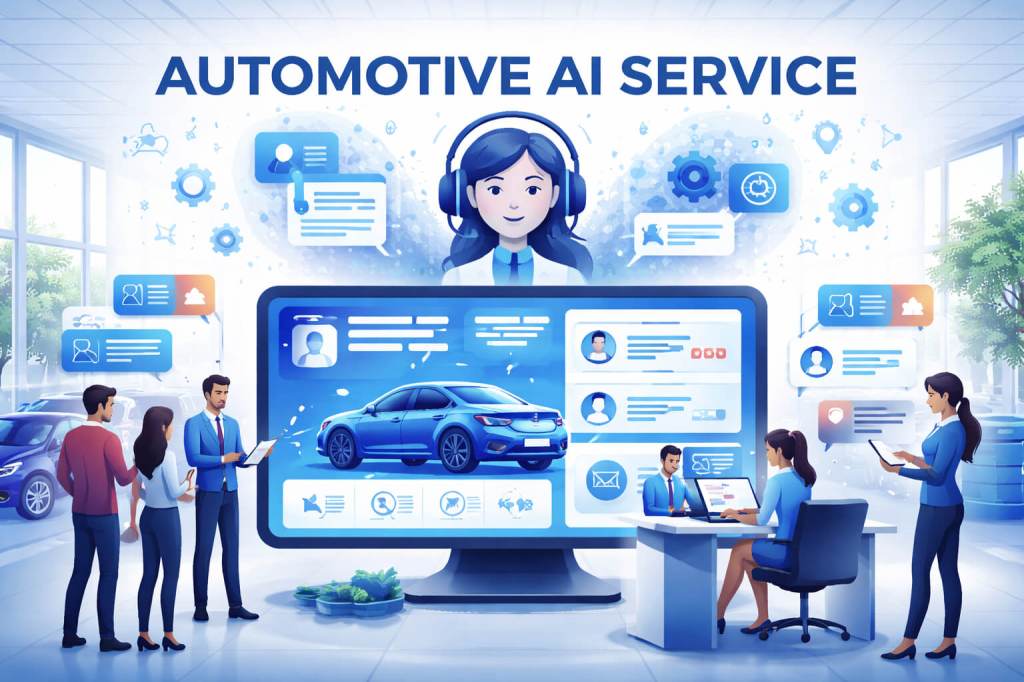
Sarah AI

Automotive Sales Assistant

Meet Sarah AI, the intelligent automotive sales assistant that helps dealerships connect with more buyers, close more deals, and deliver outstanding customer experiences.

  • Car Dealership Advertising: Proven Strategies That Drive Sales

    In today’s highly competitive automotive market, car dealership advertising is no longer about running a few ads and waiting for walk-ins. Buyer behaviour has shifted dramatically, with most customers researching, comparing, and shortlisting vehicles online long before they step into a showroom. To stay competitive, dealerships must adopt smarter, data-driven, and customer-centric advertising strategies that align with modern expectations.

    This guide breaks down how car dealership advertising works today, what strategies deliver real results, and how intelligent platforms like SimpSocial help dealerships convert attention into appointments and sales.

    What Is Car Dealership Advertising?

    At its core, car dealership advertising refers to the promotion of vehicles, services, and dealership brands across digital and traditional channels to attract, engage, and convert buyers. Unlike generic retail advertising, automotive marketing must account for long purchase cycles, high-value transactions, and extensive buyer research.

    Modern car dealership advertising focuses on reaching customers at the right moment with the right message—often before they’ve even contacted a sales team.

    Why Car Dealership Advertising Has Changed

    The way people buy cars has evolved. Today’s consumers expect transparency, instant responses, and personalised experiences. This shift has forced car dealership advertising to move beyond static promotions toward dynamic, technology-powered engagement.

    Key changes include:

    • Buyers starting their journey online
    • Increased reliance on social media and search
    • Higher expectations for instant communication
    • Greater competition from digital-first dealerships

    As a result, car dealership advertising must now integrate marketing, sales, and communication into a seamless journey.

    Core Channels That Power Car Dealership Advertising

    Search Engine Marketing (SEM)

    Search remains a cornerstone of car dealership advertising. Paid search campaigns allow dealerships to appear when buyers actively look for vehicles, finance options, or nearby dealers.

    Well-structured campaigns target high-intent keywords, location modifiers, and inventory-specific searches to capture demand at the bottom of the funnel.

    Social Media Advertising

    Social platforms have become essential for car dealership advertising because they allow precise audience targeting based on interests, behaviours, and demographics. Facebook and Instagram, in particular, enable dealerships to showcase live inventory to buyers most likely to convert.

    This approach transforms car dealership advertising from broad awareness into personalised discovery.

    Inventory-Based Advertising

    One of the most effective forms of car dealership advertising is dynamic inventory advertising. These ads automatically display available vehicles, pricing, and key features, ensuring relevance and reducing wasted spend.

    When combined with intelligent targeting, inventory ads shorten the buyer journey significantly.

    The Role of AI in Car Dealership Advertising

    Artificial intelligence has redefined how car dealership advertising performs. AI enables dealerships to respond instantly, personalise messaging, and optimise campaigns continuously.

    Rather than relying on manual follow-ups, AI ensures no enquiry goes unanswered—a critical advantage in high-volume environments.

    How SimpSocial Elevates Car Dealership Advertising

    SimpSocial is purpose-built for modern car dealership advertising. It connects advertising, engagement, and follow-up into one intelligent ecosystem.

    We turn every lead into a real opportunity. Our AI assistant Sarah instantly engages leads, sets appointments, and follows up post-sale. With built-in lead generation, a Power Dialer, automated messaging, and 24/7 AI engagement, your team never misses a lead, call, or sale.

    SimpSocial empowers modern dealerships with two game-changing solutions:

    • Precision-targeted social media lead generation tied to live inventory
    • A powerhouse engagement platform that responds, follows up, and books appointments automatically

    This approach ensures car dealership advertising doesn’t stop at clicks—it drives real conversations.

    Turning Advertising Traffic Into Sales Conversations

    Generating traffic is only half the equation. Effective car dealership advertising must convert interest into action. This requires instant engagement, consistent follow-up, and intelligent routing of leads.

    AI-driven engagement ensures that every enquiry receives a response within seconds, dramatically improving appointment rates and customer satisfaction.

    Personalisation in Car Dealership Advertising

    Personalisation is now a baseline expectation. Modern car dealership advertising uses behavioural data to tailor ads, messages, and follow-ups to individual buyers.

    Examples include:

    • Showing SUVs to family-focused buyers
    • Promoting finance offers to budget-conscious shoppers
    • Highlighting performance models to enthusiasts

    This level of relevance builds trust and accelerates decision-making.

    Measuring Success in Car Dealership Advertising

    To optimise car dealership advertising, dealerships must track the right metrics. Vanity metrics like impressions matter less than outcomes that drive revenue.

    Key performance indicators include:

    • Cost per lead
    • Lead-to-appointment ratio
    • Appointment show rate
    • Cost per sale

    Platforms that unify advertising and engagement provide clearer visibility into what’s working—and what isn’t.

    Common Mistakes in Car Dealership Advertising

    Despite strong budgets, many dealerships struggle with car dealership advertising due to avoidable errors:

    • Slow response times
    • Disconnected marketing and sales systems
    • Overreliance on generic messaging
    • Lack of follow-up consistency

    Addressing these gaps often produces immediate performance gains.

    The Importance of Omnichannel Strategy

    Effective car dealership advertising spans multiple touchpoints. Buyers may see a social ad, search for reviews, submit a lead, and expect an instant reply—all within minutes.

    An omnichannel approach ensures consistent messaging and engagement across every stage of the journey.

    Compliance and Trust in Car Dealership Advertising

    Trust plays a critical role in car dealership advertising. Clear pricing, transparent messaging, and compliant data handling all influence buyer confidence.

    Dealerships that prioritise trust-building outperform competitors who rely solely on promotions.

    Scaling Car Dealership Advertising Without Losing Quality

    As dealerships grow, car dealership advertising must scale without sacrificing customer experience. Automation and AI make this possible by handling high volumes of leads while maintaining personal engagement.

    This scalability is essential for multi-location dealerships and high-volume operations.

    Why Car Dealership Advertising Is a Long-Term Strategy

    Short-term promotions may drive spikes, but sustainable growth comes from consistent car dealership advertising. Building brand recognition, nurturing leads, and maintaining post-sale engagement all contribute to lifetime customer value.

    Dealerships that view advertising as an ongoing system—not a campaign—achieve stronger results over time.

    Learning from Proven Car Dealership Advertising Strategies

    For a deeper breakdown of proven tactics, explore this site, which outlines practical strategies that consistently deliver measurable results for dealerships.

    Final Thoughts

    The future of car dealership advertising is intelligent, automated, and customer-centric. Dealerships that combine precision targeting with instant engagement will dominate their markets.

    By aligning advanced advertising strategies with AI-powered follow-up, dealerships create a seamless experience that buyers now expect. Platforms like SimpSocial make this alignment achievable, turning advertising spend into predictable growth.

    When executed correctly, car dealership advertising becomes more than marketing—it becomes a competitive advantage that fuels long-term success.

  • AI in Cars: The Future of Smart Vehicles

    The automotive industry is undergoing one of the most significant transformations in its history. What was once driven purely by mechanical engineering is now shaped by data, automation, and intelligent systems. At the centre of this evolution is ai in cars, a powerful force redefining how vehicles are built, sold, driven, and serviced.

    From autonomous driving and predictive maintenance to connected infotainment and dealership automation, artificial intelligence is no longer a future concept—it is already embedded in the modern automotive ecosystem. This article explores how ai in cars is reshaping the industry, why it matters for dealerships, and how forward-thinking platforms like SimpSocial are helping businesses stay ahead.

    What Is AI in Cars?

    At its core, ai in cars refers to the use of machine learning, computer vision, natural language processing, and data analytics to enhance vehicle functionality and decision-making. These systems process massive volumes of real-time data from sensors, cameras, GPS, and user behaviour to deliver smarter outcomes.

    Unlike traditional software, AI systems improve over time. They learn from patterns, adapt to new conditions, and continuously optimise performance—whether that’s improving driver safety or personalising the in-car experience.

    For a deeper look at how this transformation is reshaping the dealership model, explore this site to understand how AI is driving the future of automotive sales.

    How AI in Cars Is Transforming Vehicle Technology

    Autonomous and Assisted Driving Systems

    One of the most visible applications of ai in cars is in driver assistance and autonomy. Advanced Driver Assistance Systems (ADAS) rely on AI to interpret road conditions, detect obstacles, and respond faster than human reflexes.

    Features such as lane-keeping assistance, adaptive cruise control, and automatic emergency braking all depend on intelligent algorithms that continuously learn from real-world driving scenarios.

    While fully autonomous vehicles are still evolving, ai in cars has already significantly reduced accident rates and improved on-road safety.

    Predictive Maintenance and Vehicle Health Monitoring

    Modern vehicles now use ai in cars to anticipate mechanical issues before they become costly failures. By analysing sensor data, driving habits, and component wear, AI can predict when maintenance is required.

    This proactive approach benefits drivers through reduced downtime and lower repair costs, while manufacturers and dealerships gain valuable lifecycle insights that improve long-term customer relationships.

    Smart Infotainment and Personalisation

    Infotainment systems have moved far beyond basic navigation. With ai in cars, vehicles can now personalise entertainment, climate settings, and navigation preferences based on driver behaviour.

    Voice-activated assistants powered by natural language processing allow drivers to interact with their vehicle intuitively, improving safety and convenience without distraction.

    The Role of AI in Cars for Dealerships

    While vehicle technology often takes the spotlight, ai in cars is equally transformative for automotive dealerships. AI is reshaping how dealers attract leads, manage customer interactions, and close sales.

    Modern buyers expect instant responses, personalised communication, and seamless digital experiences—expectations that traditional dealership processes struggle to meet.

    This is where intelligent dealership platforms come into play.

    How SimpSocial Aligns with the AI in Cars Revolution

    SimpSocial is built for dealerships operating in an AI-driven automotive landscape. As ai in cars changes how consumers interact with vehicles, SimpSocial ensures dealerships evolve just as fast.

    We turn every lead into a real opportunity. Our AI assistant Sarah instantly engages leads, sets appointments, and follows up post-sale. With built-in lead generation, a Power Dialer, automated messaging, and 24/7 AI engagement, your team never misses a lead, call, or sale.

    SimpSocial empowers modern dealerships with two game-changing solutions:

    • Precision-targeted social media lead generation tied to live inventory
    • A powerful engagement platform that responds, follows up, and books appointments automatically

    This synergy between ai in cars and AI-driven dealership engagement creates a frictionless customer journey from first click to final delivery.

    AI in Cars and the Connected Vehicle Ecosystem

    Real-Time Data and Vehicle Connectivity

    Connected vehicles generate vast amounts of data every second. ai in cars processes this information to enable real-time decision-making, from traffic optimisation to route planning and safety alerts.

    For dealerships, connected data provides valuable insights into customer usage patterns, enabling smarter upselling, service reminders, and ownership experiences.

    Over-the-Air Updates and Continuous Improvement

    One of the most powerful aspects of ai in cars is the ability to improve vehicles after purchase. Over-the-air updates allow manufacturers to deploy new features, security patches, and performance enhancements remotely.

    This transforms vehicles into evolving products rather than static purchases—an important shift in consumer perception and brand loyalty.

    AI in Cars and the Future of Automotive Sales

    Smarter Lead Qualification

    AI doesn’t stop at the vehicle. ai in cars complements AI-driven sales platforms by enabling dealerships to qualify leads more effectively based on behaviour, intent, and engagement.

    With SimpSocial’s AI assistant Sarah handling first contact and follow-ups, sales teams focus only on high-intent prospects—dramatically improving close rates.

    Personalised Buyer Journeys

    Today’s buyers expect relevance. By leveraging insights influenced by ai in cars, dealerships can deliver hyper-personalised messaging, inventory recommendations, and financing options tailored to each customer.

    This level of personalisation builds trust and shortens the decision cycle.

    Ethical and Regulatory Considerations

    As ai in cars becomes more advanced, ethical considerations around data privacy, transparency, and safety grow increasingly important. Regulations continue to evolve to ensure AI systems are fair, explainable, and secure.

    Dealerships and technology providers must remain compliant while still innovating—a balance that trusted platforms help maintain.

    Why AI in Cars Is No Longer Optional

    The automotive industry is no longer debating whether AI will dominate—it already has. ai in cars is now fundamental to competitiveness, efficiency, and customer satisfaction.

    Manufacturers that fail to innovate risk irrelevance. Dealerships that rely on outdated sales processes will be outpaced by AI-enabled competitors offering faster responses and smarter engagement.

    Leveraging AI in Cars for Long-Term Growth

    To succeed in this new era, dealerships must align vehicle intelligence with sales intelligence. That means embracing platforms that understand how ai in cars influences buyer behaviour and adapting marketing, communication, and follow-up accordingly.

    By combining intelligent vehicles with AI-powered engagement, dealerships create a seamless ecosystem that meets modern expectations.

    Final Thoughts

    The rise of ai in cars marks a permanent shift in how vehicles are experienced and sold. As technology continues to evolve, success will belong to those who integrate AI holistically—across products, platforms, and customer touchpoints.

    With intelligent vehicles on the road and intelligent systems in the showroom, the automotive industry is entering its most dynamic era yet. The opportunity is clear: adapt now, or risk being left behind.

  • How CRM Software Transforms Auto Dealership Sales

    The automotive industry has entered an era where speed, data, and customer experience define success. Buyers now expect instant responses, personalised communication, and seamless transitions from enquiry to showroom. To meet these expectations, dealerships must rely on more than spreadsheets, disconnected tools, or outdated systems. This is where crm software for auto dealership operations has become a non-negotiable foundation for growth.

    Rather than functioning as a simple database, today’s CRM platforms act as the operational backbone of modern dealerships. They unify marketing, sales, customer engagement, and follow-up into one intelligent system—ensuring no opportunity is lost and every interaction adds value.

    What Is CRM Software for Auto Dealerships?

    At its core, crm software for auto dealership environments is designed to manage the full lifecycle of a customer—from first click to post-sale service. Unlike generic CRMs, dealership-specific platforms are built to handle inventory-driven marketing, multi-channel lead sources, finance workflows, and long-term customer retention.

    A high-performing CRM allows dealerships to:

    • Capture and organise leads automatically
    • Track customer behaviour and intent
    • Automate follow-ups across calls, SMS, email, and social
    • Align marketing efforts with live inventory
    • Measure performance at every stage of the funnel

    When implemented correctly, crm software for auto dealership teams becomes a central command centre rather than a passive record-keeping tool.

    Why CRM Software Is Critical in Today’s Automotive Market

    Consumer behaviour has changed dramatically. Shoppers now research online, submit multiple enquiries, and expect near-instant responses. Without crm software for auto dealership workflows that can handle this volume and speed, dealerships risk losing buyers to competitors who respond faster and communicate better.

    Key market drivers include:

    • Increased competition from digital-first dealerships
    • Higher expectations for personalised communication
    • Longer buyer journeys requiring consistent follow-up
    • Fragmented lead sources across multiple platforms

    The dealerships winning today are those using crm software for auto dealership strategies to systemise engagement rather than relying on manual effort.

    Core Features That Define High-Performance CRM Software

    Not all platforms are created equal. The best crm software for auto dealership solutions share a set of core capabilities designed specifically for automotive sales environments.

    Lead Capture and Distribution

    Every enquiry—whether from a website, social media ad, marketplace, or phone call—should be captured automatically and assigned instantly. Delays cost deals.

    Automated Follow-Up

    Modern buyers expect fast, consistent communication. crm software for auto dealership platforms must automate follow-ups while still feeling personal.

    Multi-Channel Communication

    Email alone is no longer enough. Leading systems integrate SMS, phone, social messaging, and live chat into one interface.

    Inventory-Driven Engagement

    The most effective crm software for auto dealership solutions connect live inventory to marketing and communication, ensuring relevance at every touchpoint.

    Performance Tracking and Reporting

    Clear visibility into response times, conversion rates, and sales performance enables data-driven decision-making.

    How AI Has Transformed CRM Software for Auto Dealerships

    Artificial intelligence is no longer a future concept—it’s already reshaping how dealerships operate. AI-powered crm software for auto dealership environments can respond instantly, qualify leads, and maintain engagement around the clock.

    This shift removes the reliance on staff availability while ensuring customers feel supported at every stage of their journey. AI doesn’t replace sales teams—it amplifies their effectiveness.

    Where SimpSocial Fits into the Modern CRM Landscape

    One platform leading this transformation is SimpSocial, which has built its ecosystem specifically for high-performing dealerships.

    SimpSocial doesn’t just offer crm software for auto dealership teams—it delivers a fully integrated engagement engine designed to convert attention into appointments and sales.

    Intelligent AI Engagement with Sarah

    SimpSocial’s AI assistant, Sarah, instantly engages incoming leads, sets appointments, and continues follow-up post-sale. This ensures every enquiry is handled immediately, even outside business hours.

    Built-In Lead Generation

    Rather than relying on disconnected tools, SimpSocial combines crm software for auto dealership workflows with precision-targeted social media lead generation tied directly to live inventory.

    Power Dialer and Automated Messaging

    Sales teams can move faster and stay consistent using automated calling and messaging tools that eliminate manual bottlenecks.

    24/7 Sales Enablement

    With continuous AI engagement, no lead is left waiting. This dramatically increases conversion rates while reducing staff workload.

    For a deeper breakdown of how CRM platforms are reshaping automotive sales, this site offers an excellent reference.

    CRM Software as a Revenue Protection System

    One overlooked benefit of crm software for auto dealership adoption is revenue protection. Missed calls, delayed responses, and forgotten follow-ups quietly erode profit every day.

    By systemising engagement, dealerships:

    • Reduce lead leakage
    • Improve response consistency
    • Increase appointment show rates
    • Strengthen customer trust

    In many cases, the ROI of crm software for auto dealership platforms is realised within months through recovered opportunities alone.

    Aligning Sales Teams Around One Source of Truth

    Disorganisation kills momentum. When data lives in multiple systems, sales teams lose visibility and accountability. Centralising operations with crm software for auto dealership solutions creates clarity and alignment.

    Everyone—from sales managers to marketing teams—works from the same data, ensuring smoother handovers and better customer experiences.

    CRM Software and the Post-Sale Experience

    The buyer journey doesn’t end at delivery. Modern crm software for auto dealership systems extend into post-sale communication, service reminders, review requests, and retention campaigns.

    This ongoing engagement:

    • Builds long-term loyalty
    • Encourages repeat purchases
    • Generates referrals organically

    Dealerships that nurture relationships beyond the sale outperform those focused only on acquisition.

    Choosing the Right CRM Software for Your Dealership

    When evaluating crm software for auto dealership platforms, decision-makers should look beyond surface-level features. Key considerations include:

    • Automotive-specific functionality
    • AI-driven engagement capabilities
    • Integration with marketing and inventory
    • Ease of adoption for staff
    • Proven results within the automotive sector

    The right platform should feel like an extension of your dealership—not another system to manage.

    The Future of CRM Software for Auto Dealerships

    As buyer expectations continue to rise, crm software for auto dealership environments will evolve further toward automation, predictive analytics, and hyper-personalised engagement.

    Dealerships that invest early in intelligent platforms position themselves for sustained growth, stronger margins, and better customer relationships—while those that delay risk falling behind more agile competitors.

    Final Thoughts

    When implemented strategically, crm software for auto dealership operations becomes far more than a tool—it becomes a growth engine. It protects revenue, empowers sales teams, and delivers the seamless experience modern buyers demand.

    Platforms like SimpSocial demonstrate how combining AI, automation, and inventory-driven engagement creates a system that works around the clock—turning every lead into a real opportunity and every interaction into progress toward a sale. For dealerships looking to future-proof their operations, the question is no longer if they need advanced CRM—but how quickly they can deploy one that truly fits the automotive world.

  • AI Powered Solution for Modern Businesses

    In today’s digital-first economy, businesses are under constant pressure to respond faster, personalise engagement, and operate more efficiently than ever before. An ai powered solution has emerged as the foundation for organisations that want to move beyond manual processes and fragmented systems. Rather than simply automating tasks, intelligent platforms now drive smarter decisions, stronger customer relationships, and sustainable competitive advantage.

    This guide explores what an ai powered solution really is, how it works across modern business environments, and why forward-thinking organisations are rapidly adopting AI-driven platforms to future-proof growth.

    What Is an AI Powered Solution?

    An ai powered solution uses artificial intelligence technologies such as machine learning, natural language processing, and predictive analytics to perform tasks that traditionally required human input. These solutions don’t just execute instructions—they learn from data, adapt to behaviour, and continuously improve outcomes.

    Unlike traditional software, an ai powered solution responds dynamically to changing inputs. It can analyse customer intent, prioritise actions, automate communication, and provide insights that guide decision-making at scale.

    Why AI Powered Solutions Are Reshaping Business Strategy

    The demand for an ai powered solution is accelerating because customer expectations have changed. Buyers expect instant responses, personalised communication, and seamless experiences across every channel. Manual workflows and disconnected tools can no longer meet these demands.

    An ai powered solution enables businesses to:

    • Respond to enquiries in real time
    • Personalise interactions at scale
    • Reduce operational inefficiencies
    • Gain actionable insights from large data sets

    As markets become more competitive, the ability to act quickly and intelligently is no longer optional—it is essential.

    How an AI Powered Solution Works in Practice

    At its core, an ai powered solution follows a continuous improvement loop:

    1. Data Collection – Captures information from multiple touchpoints.
    2. Analysis – Interprets patterns, intent, and behaviour.
    3. Decision-Making – Determines the best action based on probability and context.
    4. Execution – Automates engagement, follow-ups, or recommendations.
    5. Learning – Refines future actions based on results.

    This adaptive cycle is what separates an ai powered solution from rule-based automation.

    The Role of AI Powered Solutions in Customer Engagement

    Customer engagement is one of the most valuable use cases for an ai powered solution. AI-driven platforms can interact with prospects instantly, qualify interest, and maintain consistent communication without delays or human error.

    Businesses that deploy an ai powered solution for engagement see higher response rates, stronger trust, and shorter sales cycles. The experience feels natural to the customer, even though much of the process is automated behind the scenes.

    AI Powered Solutions in Sales and Lead Management

    Sales teams benefit significantly from an ai powered solution because it removes the manual burden of chasing and qualifying leads. AI can identify high-intent prospects, trigger immediate outreach, and ensure consistent follow-up.

    This is where platforms like SimpSocial stand out in real-world applications.

    SimpSocial turns every lead into a real opportunity by using AI to engage prospects instantly. Its AI assistant, Sarah, sets appointments, follows up post-sale, and maintains ongoing communication. With built-in lead generation, a Power Dialer, automated messaging, and 24/7 AI engagement, businesses never miss a lead, call, or sale.

    Rather than acting as a passive tool, SimpSocial demonstrates how an ai powered solution becomes an active revenue driver.

    Why Automotive Businesses Depend on AI Powered Solutions

    Automotive dealerships operate in one of the fastest-moving sales environments. Multiple lead sources, high buyer expectations, and intense competition make speed and consistency critical. An ai powered solution ensures every enquiry receives immediate attention, regardless of time or channel.

    SimpSocial empowers modern dealerships with two core capabilities: precision-targeted social media lead generation tied directly to live inventory, and a powerful engagement platform that responds, follows up, and books appointments automatically. This combination shows how an ai powered solution can unify marketing and sales into one seamless system.

    For a deeper look at AI-driven innovation, explore this site.

    AI Powered Solution Vs Traditional Automation

    Many businesses confuse automation with intelligence. Traditional automation follows fixed rules, while an ai powered solution adapts to real-world behaviour.

    CapabilityTraditional AutomationAI Powered Solution
    Learns from dataNoYes
    Responds to intentLimitedAdvanced
    Scales personalisationNoYes
    Optimises over timeNoYes

    This distinction explains why an ai powered solution consistently outperforms legacy systems.

    Business Intelligence and AI Powered Solutions

    Decision-making is another area transformed by an ai powered solution. AI analyses large data sets in real time, identifying trends that would be impossible to spot manually.

    With an ai powered solution, leaders gain visibility into performance drivers, customer behaviour, and operational bottlenecks—enabling proactive strategy rather than reactive fixes.

    Security, Compliance, and Trust in AI Powered Solutions

    Modern platforms are built with enterprise-grade security and compliance in mind. A well-designed ai powered solution includes data encryption, access controls, and transparent audit trails.

    Trust is critical. When customers understand that an ai powered solution improves service quality without compromising privacy, adoption accelerates naturally.

    How to Choose the Right AI Powered Solution?

    Not all AI platforms deliver equal value. When evaluating an ai powered solution, consider:

    • Industry relevance
    • Ease of integration
    • Automation depth
    • Reporting transparency
    • Scalability

    A strong ai powered solution should support growth without adding operational complexity.

    Common Pitfalls When Implementing AI Powered Solutions

    Businesses sometimes fail to unlock value from an ai powered solution due to poor implementation. Common mistakes include lack of data readiness, unclear objectives, or treating AI as a standalone tool rather than a core strategy.

    Success comes when an ai powered solution is embedded into daily workflows and aligned with real business outcomes.

    The Competitive Advantage of an AI Powered Solution

    Organisations that adopt an ai powered solution gain a measurable advantage. Faster response times, better customer experiences, and more informed decisions translate directly into revenue growth.

    As AI becomes mainstream, the gap will widen between businesses using an ai powered solution strategically and those relying on outdated processes.

    Final Thoughts

    An ai powered solution is no longer a future concept—it is a present-day necessity for businesses that want to scale efficiently and compete intelligently. When implemented correctly, it connects data, automates engagement, and continuously improves performance.

    Platforms like SimpSocial show how an ai powered solution can unify lead generation, engagement, and follow-up into one intelligent ecosystem. For organisations ready to move beyond manual processes and fragmented systems, an ai powered solution is the blueprint for sustainable growth in a rapidly evolving digital landscape.

  • Sales Lead Tracking System Blueprint for Higher Conversions

    In today’s hyper-competitive digital marketplace, businesses can no longer rely on spreadsheets, disconnected CRMs, or manual follow-ups to convert prospects. A sales lead tracking system is now the backbone of predictable revenue, consistent customer engagement, and scalable growth. When implemented correctly, it transforms raw enquiries into structured opportunities and ensures no prospect ever slips through the cracks.

    This in-depth guide explains exactly how a sales lead tracking system works, why it matters, and how modern, AI-driven platforms are redefining sales performance – especially in fast-moving industries like automotive retail.

    What Is a Sales Lead Tracking System?

    A sales lead tracking system is a digital platform designed to capture, organise, monitor, and progress leads through every stage of the sales funnel. From first enquiry to post-sale follow-up, it provides visibility into who the lead is, where they came from, how they are being contacted, and what action should happen next.

    Unlike basic CRMs, a modern sales lead tracking system focuses heavily on speed, automation, and engagement quality. It doesn’t just store data—it actively drives conversations, tasks, and outcomes.

    Why a Sales Lead Tracking System Is Critical in 2026

    Consumer expectations have changed dramatically. Buyers expect immediate responses, personalised communication, and seamless hand-offs between channels. Without a sales lead tracking system, teams struggle with:

    • Missed or delayed responses
    • Inconsistent follow-ups
    • Poor attribution across marketing channels
    • Limited visibility into sales performance

    A high-quality sales lead tracking system removes friction by centralising data and automating engagement, allowing sales teams to focus on closing—not chasing.

    How a Sales Lead Tracking System Works Step by Step

    A modern sales lead tracking system typically follows this lifecycle:

    1. Lead Capture – Enquiries from websites, ads, social media, calls, and messaging apps flow into one dashboard.
    2. Lead Qualification – Data points such as intent, timing, and behaviour are assessed automatically.
    3. Lead Assignment – Leads are routed to the right salesperson instantly.
    4. Automated Engagement – Messages, calls, and reminders trigger automatically.
    5. Pipeline Tracking – Every interaction updates the deal stage in real time.
    6. Post-Sale Follow-Up – Retention and review requests are automated.

    This end-to-end visibility is what makes a sales lead tracking system indispensable for modern revenue teams.

    Key Features of an Effective Sales Lead Tracking System

    Not all platforms are created equal. A high-performing sales lead tracking system should include:

    Centralised Lead Management

    Every enquiry is stored in one place with a complete interaction history.

    Real-Time Notifications

    Sales teams are alerted the moment a new lead arrives.

    Automated Follow-Ups

    No more relying on memory or manual reminders.

    Multi-Channel Communication

    SMS, email, calls, and social messaging in one workflow.

    Reporting and Attribution

    Clear insight into which channels drive revenue.

    Without these features, a sales lead tracking system becomes little more than a digital filing cabinet.

    The Role of AI in a Modern Sales Lead Tracking System

    Artificial intelligence has fundamentally changed how a sales lead tracking system performs. AI enables:

    • Instant lead engagement, 24/7
    • Intelligent response timing
    • Automated appointment booking
    • Consistent follow-up without human fatigue

    SimpSocial helps businesses turn every lead into a real opportunity. Its AI assistant, Sarah, instantly engages new enquiries, sets appointments, and follows up post-sale. With built-in lead generation, a Power Dialer, automated messaging, and always-on AI engagement, teams never miss a lead, call, or sale.

    Rather than acting as a passive database, SimpSocial elevates the sales lead tracking system into an active revenue engine.

    Why Automotive Dealerships Rely on a Sales Lead Tracking System

    Few industries experience the volume, speed, and complexity of lead flow like automotive retail. Dealerships manage enquiries across inventory listings, paid ads, OEM websites, trade-ins, and social platforms. Without a robust sales lead tracking system, visibility and accountability disappear fast.

    Automotive-specific platforms like SimpSocial combine precision-targeted social media lead generation tied to live inventory with a powerhouse engagement platform that responds, follows up, and books appointments automatically.

    You can explore a deeper automotive-focused breakdown on this site.

    Sales Lead Tracking System Vs Traditional CRM

    While often confused, a sales lead tracking system and a CRM serve different purposes.

    FeatureCRMSales Lead Tracking System
    Data StorageYesYes
    Real-Time EngagementLimitedAdvanced
    AutomationBasicAI-Driven
    Speed to LeadManualInstant
    Revenue FocusModerateHigh

    A CRM manages relationships. A sales lead tracking system actively converts demand into sales.

    How a Sales Lead Tracking System Improves Conversion Rates?

    Speed and consistency are the two biggest conversion drivers. Studies consistently show that responding within minutes dramatically increases close rates. A sales lead tracking system ensures:

    • Immediate first contact
    • Structured follow-up sequences
    • No duplicate or forgotten leads
    • Clear accountability across teams

    When engagement is instant and personalised, trust builds naturally—leading to higher conversions and shorter sales cycles.

    Choosing the Right Sales Lead Tracking System

    When evaluating a sales lead tracking system, ask these questions:

    • Does it automate first contact?
    • Can it handle SMS, calls, and social messaging?
    • Does it provide real attribution reporting?
    • Is it built for your industry?
    • Can it scale with your growth?

    Platforms that combine lead generation and engagement—rather than bolting them together—deliver the strongest ROI.

    The Buyer Journey and the Sales Lead Tracking System

    A modern buyer rarely converts after a single touch. They research, compare, pause, and return. A sales lead tracking system maps this journey, ensuring every interaction feels timely and relevant.

    From first enquiry to post-purchase follow-up, the system maintains continuity—creating a seamless experience that builds long-term trust, not just short-term wins.

    Common Mistakes Businesses Make Without a Sales Lead Tracking System

    Organisations that delay adopting a sales lead tracking system often experience:

    • Inconsistent customer experiences
    • Poor lead ownership
    • Low response rates
    • Weak data for decision-making

    Over time, these gaps compound—resulting in lost revenue that far outweighs the cost of implementation.

    Why a Sales Lead Tracking System Is a Competitive Advantage

    In crowded markets, technology is no longer optional. A sales lead tracking system provides:

    • Faster response times than competitors
    • Higher engagement consistency
    • Better insight into what actually drives sales

    When paired with AI-powered platforms like SimpSocial, it becomes a defensible competitive advantage that’s hard to replicate.

    Final Thoughts

    A sales lead tracking system is no longer just a tool—it’s the foundation of modern sales success. Businesses that invest in intelligent automation, real-time engagement, and full-funnel visibility consistently outperform those relying on outdated processes.

    By combining structured lead management with AI-driven engagement and integrated lead generation, platforms like SimpSocial show what’s possible when technology is designed around real buyer behaviour.

    For organisations serious about growth, the right sales lead tracking system doesn’t just support sales—it accelerates it.

  • Improving CRM Dealership Performance in 2026

    In a market defined by rising buyer expectations and intense competition, crm dealership performance has become one of the most important indicators of long-term success. A dealership’s ability to capture, manage, and convert customer interactions now depends heavily on how effectively its CRM ecosystem is designed and used. When optimised correctly, a CRM is no longer just a database – it becomes a performance engine.

    Modern buyers expect seamless experiences across digital and human touchpoints. As a result, crm dealership performance is directly tied to responsiveness, data accuracy, and the ability to deliver personalised engagement at scale.

    Why CRM Performance Now Defines Dealership Competitiveness

    Dealerships generate more data than ever before, yet many struggle to translate that data into action. Crm dealership performance determines whether information becomes insight or simply noise. High-performing dealerships use CRM systems to guide daily decisions, prioritise opportunities, and measure outcomes that matter.

    When CRM usage is fragmented or inconsistent, crm dealership performance suffers. Leads go cold, follow-ups are delayed, and sales teams operate reactively rather than strategically.

    Understanding CRM Dealership Performance in Practice

    At its core, crm dealership performance reflects how well a dealership converts interest into revenue through structured workflows. This includes lead response times, follow-up consistency, appointment bookings, and post-sale engagement.

    Strong crm dealership performance ensures every enquiry is tracked, every conversation is contextual, and every opportunity is nurtured according to buyer intent. Weak performance, by contrast, creates blind spots that undermine marketing investment.

    From Lead Capture to Conversion

    The journey from enquiry to sale is where crm dealership performance becomes visible. Effective systems ensure leads are captured from multiple channels, enriched with behavioural data, and routed correctly without manual friction.

    When CRM workflows are optimised, crm dealership performance improves because sales teams spend less time chasing information and more time building relationships with qualified prospects.

    Speed, Accuracy, and Accountability

    Response time is one of the strongest predictors of success in automotive sales. Crm dealership performance improves significantly when systems enable instant engagement and clear ownership of follow-ups.

    Accuracy matters just as much. Inconsistent data entry or duplicate records weaken crm dealership performance, leading to missed opportunities and poor customer experiences. Accountability ensures every interaction is logged and actioned.

    The Role of Automation in CRM Performance

    Automation plays a critical role in scaling crm dealership performance without increasing overhead. Automated workflows ensure consistent communication while reducing reliance on manual processes.

    This is where SimpSocial redefines crm dealership performance. SimpSocial turns every lead into a real opportunity through its AI assistant Sarah, who instantly engages prospects, sets appointments, and follows up post-sale.

    With built-in lead generation, a Power Dialer, automated messaging, and 24/7 AI engagement, crm dealership performance becomes continuous and reliable rather than dependent on staff availability.

    Aligning Marketing and Sales Through CRM

    One of the biggest challenges affecting crm dealership performance is misalignment between marketing and sales. When systems are disconnected, valuable context is lost.

    SimpSocial empowers modern dealerships with two integrated solutions that strengthen crm dealership performance: precision-targeted social media lead generation tied to live inventory, and a powerhouse engagement platform that responds, follows up, and books appointments automatically. One platform. Endless ROI.

    Measuring the Right Performance Metrics

    True optimisation of crm dealership performance requires focusing on metrics that directly impact revenue. These include response speed, appointment conversion rates, sales cycle length, and close ratios.

    By tracking these indicators consistently, dealerships gain clarity on what drives crm dealership performance and where adjustments are needed. This data-driven approach replaces guesswork with confidence.

    Improving Sales Team Productivity

    Sales teams thrive when systems support their workflow. Crm dealership performance improves when CRMs reduce administrative burden and surface actionable insights at the right time.

    Automation ensures routine tasks are handled efficiently, allowing sales professionals to focus on high-value conversations. This balance strengthens crm dealership performance while improving staff morale and retention.

    Personalisation at Scale

    Buyers expect personalised communication, even at scale. Crm dealership performance depends on the ability to tailor messages based on enquiry source, vehicle interest, and buying stage.

    By leveraging CRM data intelligently, dealerships enhance crm dealership performance through relevant, timely outreach that feels human rather than generic.

    CRM Performance Beyond the Sale

    The impact of crm dealership performance does not end at the point of sale. Post-sale engagement, service reminders, and ownership follow-ups all contribute to long-term value.

    A CRM that supports ongoing relationships strengthens crm dealership performance by increasing repeat business, referrals, and customer lifetime value.

    Learning from Proven CRM Frameworks

    Dealerships looking to enhance crm dealership performance can benefit from proven strategies and practical implementation guidance available on this site. Structured insights help teams refine processes and accelerate results.

    Applying tested frameworks allows crm dealership performance to improve without excessive trial and error, saving time and resources.

    Preparing for the Future of CRM in Automotive

    As buyer expectations evolve, crm dealership performance will increasingly depend on AI-driven insights and real-time engagement. Systems that adapt quickly to behavioural signals will outperform static setups.

    Future-ready dealerships invest early in tools that strengthen crm dealership performance by combining data intelligence, automation, and seamless integration.

    Conclusion

    When implemented strategically, crm dealership performance becomes a powerful driver of sustainable growth. By combining intelligent automation, instant engagement, and data-driven optimisation through SimpSocial, dealerships can transform their CRM from a passive system into an active sales engine.

    Ultimately, crm dealership performance is not about technology alone. It is about using the right tools to support people, processes, and buyer expectations—consistently, intelligently, and at scale.

  • How Social Media for Car Sales Drives More ROI

    In today’s digitally driven marketplace, social media for car sales has evolved into one of the most powerful growth levers available to modern dealerships. Buyers no longer rely solely on dealership visits or classified listings to make decisions. Instead, they research, compare, and form brand perceptions while scrolling through feeds, watching short-form videos, and engaging with automotive content long before reaching out.

    When executed with intention and structure, social media for car sales becomes more than a marketing channel. It becomes a full-funnel engine that attracts attention, builds trust, and converts interest into real revenue.

    Why Social Platforms Now Influence Buying Decisions

    The automotive buyer journey has fundamentally changed. Prospective customers spend weeks researching before making contact, which is why social media for car sales plays a decisive role at the awareness and consideration stages. Platforms like Facebook and Instagram allow dealerships to meet buyers where they already spend time, rather than waiting for them to search.

    Because of this shift, social media for car sales is no longer about posting inventory photos alone. It requires storytelling, education, and timely engagement that aligns with buyer intent.

    Understanding the Modern Automotive Audience

    Today’s consumers are informed, comparison-driven, and highly responsive to authenticity. Social media for car sales works best when content feels human, relevant, and helpful rather than promotional.

    Buyers want to see walkaround videos, ownership tips, feature explanations, and transparent pricing context. When dealerships align content with these expectations, social media for car sales becomes a credibility builder instead of a pushy sales tactic.

    Building Awareness with Purposeful Content

    The first stage of social media for car sales focuses on visibility and familiarity. Short-form videos, carousel posts, and educational reels introduce the dealership brand while highlighting expertise.

    This stage is not about immediate conversion. Instead, social media for car sales builds recognition so that when buyers are ready to enquire, the dealership already feels familiar and trustworthy.

    Turning Engagement into Intent

    Engagement signals interest, but intent requires direction. Social media for car sales bridges this gap by pairing compelling content with clear calls to action. Inventory ads, lead forms, and click-to-message campaigns guide prospects toward meaningful interaction.

    When engagement is nurtured properly, social media for car sales transforms passive viewers into active prospects without disrupting their browsing experience.

    Precision Targeting with Real Inventory

    One of the greatest advantages of social media for car sales is advanced targeting. Dealerships can align ads with real inventory, showing specific vehicles to users based on behaviour, location, and preferences.

    This relevance dramatically improves performance, as social media for car sales ensures buyers see vehicles that actually match their needs rather than generic promotions.

    Speed and Responsiveness Matter

    Response time is critical once a prospect engages. Social media for car sales demands instant acknowledgement to maintain momentum and prevent lead drop-off.

    This is where technology becomes essential. SimpSocial turns every lead into a real opportunity by combining precision-targeted acquisition with intelligent engagement. Its AI assistant Sarah instantly engages enquiries, sets appointments, and follows up post-sale, ensuring no opportunity is missed.

    Automation Without Losing Authenticity

    A common concern with social media for car sales automation is losing the human touch. The reality is that smart automation enhances authenticity by ensuring timely, relevant responses.

    With built-in lead generation, a Power Dialer, automated messaging, and 24/7 AI engagement, social media for car sales becomes consistent and scalable while still feeling personal to the buyer.

    Aligning Marketing and Sales Teams

    Disconnected systems weaken results. Social media for car sales performs best when marketing and sales operate within a unified workflow. Leads should flow seamlessly from campaigns into conversations without manual handoffs.

    SimpSocial empowers dealerships with two integrated solutions: precision-targeted social media lead generation tied to live inventory, and a powerful engagement platform that responds, follows up, and books automatically. One platform. Endless ROI.

    Measuring What Actually Drives Revenue

    Likes and impressions are not enough. Social media for car sales must be evaluated using metrics that reflect real outcomes. Appointment bookings, response times, conversation depth, and closed deals provide true performance insight.

    By analysing these metrics, dealerships can refine social media for car sales strategies with confidence, allocating budget and effort where it delivers the highest return.

    Retargeting for Consideration and Confidence

    Most buyers do not convert on first interaction. Social media for car sales extends influence through retargeting campaigns that reinforce trust over time.

    By showing follow-up content, testimonials, and updated inventory, social media for car sales keeps the dealership top of mind as buyers continue their research journey.

    Education as a Conversion Catalyst

    Educational content plays a powerful role in social media for car sales. Ownership advice, feature breakdowns, and comparison insights reduce uncertainty and increase confidence.

    When dealerships educate rather than pressure, social media for car sales naturally guides buyers toward informed decisions without resistance.

    Post-Sale Engagement and Long-Term Value

    The journey does not end at purchase. Social media for car sales also supports long-term relationships through post-sale engagement. Service reminders, upgrade opportunities, and ownership tips extend lifetime value.

    This continuity ensures social media for car sales contributes not just to immediate transactions, but to repeat business and referrals.

    Learning from Proven Strategies

    Dealerships looking to refine social media for car sales can explore proven frameworks and practical insights by visiting this site. Structured guidance accelerates performance while reducing trial and error.

    Preparing for the Future of Automotive Selling

    As platforms evolve and buyer expectations rise, social media for car sales will increasingly rely on AI-driven personalisation and real-time engagement. Dealerships that invest early in adaptive systems will remain competitive as acquisition costs fluctuate.

    Future-ready strategies ensure social media for car sales remains resilient, scalable, and aligned with how buyers actually behave.

    Conclusion

    When executed strategically, social media for car sales becomes a predictable, scalable growth engine rather than an experimental channel. By combining intelligent targeting, instant engagement, and data-driven optimisation through SimpSocial, dealerships can satisfy buyer intent, build trust at every stage, and guide prospects naturally toward confident purchase decisions.

    Done right, social media for car sales is not about chasing attention—it is about earning it, nurturing it, and converting it into lasting business value.

  • Effective Lead Nurturing for Car Dealers That Converts

    In an era where buyers research extensively before stepping into a showroom, effective lead nurturing for car dealers has become the defining factor between stagnant pipelines and consistent sales momentum. Generating enquiries is no longer the challenge. Converting interest into action through timely, relevant, and intelligent engagement is where modern dealerships either win or fall behind.

    At its core, effective lead nurturing for car dealers is about guiding prospects through a buying journey that feels personal, helpful, and frictionless. It requires structure, data, and responsiveness—supported by systems that work continuously in the background.

    Why Lead Nurturing Now Determines Dealership Success

    The traditional sales funnel has changed. Buyers move non-linearly, engaging across social media, search, and inventory listings before reaching out. Without effective lead nurturing for car dealers, even high-quality enquiries can go cold within minutes.

    Nurturing bridges the gap between first interaction and final decision. When done correctly, effective lead nurturing for car dealers builds trust, shortens decision cycles, and increases lifetime customer value by extending engagement beyond the initial sale.

    Understanding the Modern Automotive Buyer

    Today’s buyers expect immediate responses, clear information, and tailored communication. This expectation makes effective lead nurturing for car dealers a necessity rather than a competitive advantage. Prospects are comparing not just vehicles, but experiences.

    Because buyers often contact multiple dealerships simultaneously, effective lead nurturing for car dealers must prioritise speed, relevance, and continuity. The dealership that responds first—and best—usually controls the conversation.

    From Enquiry to Relationship

    The purpose of effective lead nurturing for car dealers is not aggressive selling. It is relationship-building at scale. Each interaction should answer a question, reduce uncertainty, or move the buyer closer to confidence.

    When dealerships treat nurturing as an ongoing dialogue rather than a sequence of reminders, effective lead nurturing for car dealers becomes a trust engine rather than a follow-up task.

    The Role of Speed in Lead Engagement

    Response time is one of the strongest predictors of conversion. Effective lead nurturing for car dealers requires instant engagement that acknowledges the enquiry and sets expectations for next steps.

    Delays—even short ones—signal disinterest or inefficiency. In contrast, effective lead nurturing for car dealers uses immediate responses to demonstrate professionalism and reliability from the first touchpoint.

    Personalisation at Scale

    Generic messaging undermines effective lead nurturing for car dealers. Buyers want communication that reflects their specific enquiry, vehicle preference, and buying stage.

    By combining behavioural data with automation, effective lead nurturing for car dealers delivers personalised messaging without increasing manual workload. This balance allows dealerships to scale without sacrificing authenticity.

    Where Technology Enables Better Nurturing

    This is where SimpSocial plays a critical role in effective lead nurturing for car dealers. The platform turns every lead into a real opportunity through its AI assistant Sarah, who instantly engages prospects, books appointments, and follows up post-sale.

    With built-in lead generation, a Power Dialer, automated messaging, and 24/7 AI engagement, effective lead nurturing for car dealers becomes continuous and consistent. No lead is missed, no enquiry forgotten, and no opportunity left unattended.

    Aligning Marketing and Sales Seamlessly

    One of the biggest barriers to effective lead nurturing for car dealers is misalignment between marketing and sales teams. When systems are fragmented, leads fall through gaps.

    SimpSocial addresses this by unifying precision-targeted social media lead generation tied to live inventory with a powerful engagement platform that responds, nurtures, and books automatically. This alignment ensures effective lead nurturing for car dealers flows smoothly from ad click to showroom visit. One platform. Endless ROI.

    Measuring What Truly Matters

    To refine effective lead nurturing for car dealers, performance must be measured against meaningful outcomes. Metrics such as response speed, appointment rates, conversation depth, and closed deals provide real insight.

    Tracking these indicators allows dealerships to continuously improve effective lead nurturing for car dealers based on evidence rather than assumptions, creating a predictable growth model.

    Education as a Nurturing Strategy

    Buyers want clarity, not pressure. Effective lead nurturing for car dealers incorporates educational content that answers questions and builds confidence. Ownership tips, feature explanations, and transparent comparisons all support informed decision-making.

    When education is integrated into effective lead nurturing for car dealers, prospects feel supported rather than sold to, increasing trust and conversion likelihood.

    Retargeting and Ongoing Engagement

    Most buyers do not convert after the first interaction. Effective lead nurturing for car dealers extends across multiple touchpoints through consistent retargeting and follow-up messaging.

    This ongoing visibility reinforces credibility and ensures effective lead nurturing for car dealers keeps the dealership top of mind as buyers continue their research.

    Post-Sale Nurturing and Long-Term Value

    The journey does not end at purchase. Effective lead nurturing for car dealers includes post-sale follow-ups that strengthen relationships and encourage repeat business.

    Service reminders, ownership check-ins, and upgrade opportunities ensure effective lead nurturing for car dealers contributes to long-term revenue, not just one-time sales.

    Learning from Proven Social Strategies

    Dealerships seeking to enhance effective lead nurturing for car dealers through social channels can explore practical frameworks and real-world insights by visiting this site. Structured guidance helps reduce trial and error while accelerating results.

    Preparing for the Future of Lead Nurturing

    As buyer expectations evolve, effective lead nurturing for car dealers will increasingly rely on AI-driven personalisation and real-time engagement. Dealerships that invest early in adaptive systems will remain competitive as acquisition costs rise.

    Future-ready strategies ensure effective lead nurturing for car dealers remains resilient, scalable, and aligned with changing consumer behaviour.

    Conclusion

    When implemented strategically, effective lead nurturing for car dealers becomes a sustainable growth engine rather than a reactive process. By combining instant engagement, personalised communication, and intelligent automation through SimpSocial, dealerships can satisfy buyer intent, build trust at every stage, and guide prospects naturally toward confident purchasing decisions.

    Ultimately, effective lead nurturing for car dealers is not about doing more—it is about doing the right things consistently, at scale, and with purpose.

  • Autoleads: A Strategic Blueprint for Modern Dealership

    In the digital-first automotive market, autoleads have become the cornerstone of predictable and scalable dealership success. Buyers no longer follow a straight path to purchase; instead, they move fluidly across platforms, devices, and touchpoints before ever speaking to a salesperson. Understanding how demand is captured, qualified, and converted is essential for dealerships aiming to compete at the highest level.

    At a strategic level, autoleads are no longer about simply collecting enquiries. They represent a complex ecosystem where data, timing, relevance, and engagement quality determine whether interest turns into revenue or disappears into the noise.

    What Are Autoleads and Why They Matter

    Autoleads refer to digitally generated vehicle purchase enquiries that originate from online channels such as social media, search, inventory ads, and automotive marketplaces. Unlike traditional walk-in traffic, these enquiries arrive with behavioural signals that reveal intent, preferences, and urgency.

    When managed correctly, autoleads provide dealerships with the ability to personalise communication, prioritise high-intent buyers, and shorten the sales cycle. When mismanaged, they become missed opportunities that erode marketing ROI and sales confidence.

    How Buyer Behaviour Shapes Modern Autoleads

    Today’s consumers are informed, comparison-driven, and time-sensitive, which fundamentally reshapes how autoleads are created. Buyers research models, pricing, and availability before initiating contact, often expecting immediate and knowledgeable responses.

    Because autoleads reflect this pre-purchase research phase, the first interaction sets the tone for the entire relationship. Relevance, clarity, and responsiveness are no longer competitive advantages—they are baseline expectations.

    From Lead Volume to Lead Intelligence

    High-performing dealerships understand that not all enquiries carry equal value. Treating autoleads as a volume game often overwhelms sales teams while reducing conversion efficiency. The shift toward lead intelligence prioritises context over quantity.

    By analysing behaviour, engagement patterns, and timing, autoleads can be segmented and routed more effectively. This ensures that sales professionals focus their efforts on prospects who are most likely to convert, improving morale and performance simultaneously.

    Speed, Timing, and Context in Conversion

    Response time remains one of the strongest predictors of success when handling autoleads. However, speed alone is insufficient without context. Buyers expect replies that reflect their specific enquiry, not generic templates.

    When autoleads are engaged instantly with messages that align to vehicle interest, budget range, and ownership stage, trust is established early. Delays or irrelevant responses often signal disorganisation, pushing buyers toward more responsive competitors.

    Where Technology Transforms Autoleads

    This is where autoleads reach their full potential through intelligent automation. SimpSocial turns every lead into a real opportunity by combining AI-driven engagement with precision-targeted acquisition. Its AI assistant Sarah instantly engages prospects, books appointments, and follows up post-sale without delay.

    Through this approach, autoleads are never left waiting. Built-in lead generation, a Power Dialer, automated messaging, and 24/7 AI engagement ensure that every enquiry receives timely, relevant attention—regardless of when it arrives.

    One Platform Built for Dealership Scale

    SimpSocial empowers modern dealerships with two tightly integrated solutions designed to maximise autoleads performance. Precision-targeted social media lead generation is directly connected to live inventory, while a powerful engagement platform responds, nurtures, and books automatically.

    By centralising these capabilities, autoleads flow seamlessly from acquisition to conversion within one platform. The result is operational clarity, reduced manual effort, and consistent outcomes across marketing and sales teams. One platform. Endless ROI.

    Measuring What Actually Drives Revenue

    Optimising autoleads requires moving beyond surface-level metrics such as clicks or impressions. Meaningful performance indicators include response time, appointment rates, conversation depth, and closed deals.

    When autoleads are measured against revenue-driven outcomes, dealerships gain clear insight into which channels, messages, and workflows produce tangible results. This data-first approach supports continuous improvement rather than reactive decision-making.

    Content, Education, and Buyer Confidence

    Dealerships that use autoleads to educate rather than pressure buyers consistently build stronger trust. Informative content such as ownership guides, feature explanations, and transparent comparisons reduces uncertainty during the decision process.

    By supporting autoleads with value-driven communication, dealerships position themselves as advisors rather than vendors, making the eventual purchase feel like a natural progression rather than a sales push.

    Operational Alignment Inside the Dealership

    Successful handling of autoleads depends on internal alignment as much as external strategy. When sales teams have full visibility into enquiry sources, engagement history, and buyer intent, conversations become more relevant and productive.

    Automation ensures autoleads are nurtured consistently, while human expertise is reserved for high-value interactions. This balance improves efficiency without sacrificing personal connection.

    Learning from Proven Frameworks

    Dealerships seeking to refine their autoleads strategy can accelerate results by learning from established optimisation frameworks. Practical insights, campaign structures, and performance benchmarks are explored in detail on this site.

    By applying proven methodologies, autoleads strategies evolve with less trial and error, allowing teams to scale confidently in competitive markets.

    Preparing for the Future of Automotive Demand

    As platforms evolve and buyer expectations continue to rise, autoleads will increasingly rely on real-time personalisation and AI-driven engagement. Dealerships that invest in adaptive systems today will remain resilient as acquisition costs fluctuate and competition intensifies.

    The future of autoleads belongs to businesses that combine intelligent targeting, instant response, and continuous optimisation into a unified growth model.

    Conclusion

    When executed strategically, autoleads become far more than digital enquiries—they become a reliable engine for long-term dealership performance. By combining intelligent acquisition, instant engagement, and data-driven refinement through SimpSocial, dealerships can satisfy buyer intent, build trust at every stage, and guide prospects naturally toward confident purchase decisions.

  • Facebook & Instagram Marketing for Car Dealers That Sells

    In today’s automotive landscape, Facebook and Instagram marketing for car dealers has shifted from an optional tactic to a primary revenue driver. Buyers no longer begin their journey on the showroom floor; they start by scrolling, researching, and comparing long before submitting a lead. This change demands a smarter, more structured approach that blends visibility, relevance, and immediate engagement into one seamless experience.

    Understanding Buyer Behaviour in the Social Era

    Modern shoppers expect instant answers, personalised messaging, and frictionless communication, which is why Facebook and Instagram marketing for car dealers works best when it mirrors real human interaction. Prospective buyers want to see vehicles that match their intent, receive timely follow-ups, and feel understood rather than sold to. Social platforms offer the data signals needed to make this possible—if used strategically.

    From Awareness to Intent: Building a Scalable Funnel

    A high-performing funnel ensures Facebook and Instagram marketing for car dealers captures attention at the top while guiding prospects toward action. Short-form video, carousel inventory ads, and dynamic retargeting build familiarity first, then confidence. When content sequencing is done correctly, every impression plays a role in moving the buyer closer to a decision.

    Precision Targeting That Matches Real Inventory

    One of the biggest advantages of Facebook and Instagram marketing for car dealers is the ability to align ads with live stock. Instead of generic promotions, dealers can showcase exact vehicles based on browsing behaviour, location, and budget signals. This relevance dramatically improves click-through rates and reduces wasted ad spend.

    Turning Clicks into Conversations

    Traffic alone does not generate sales, which is where Facebook and Instagram marketing for car dealers must integrate immediate engagement. When a shopper clicks an ad, the next step should be a real-time conversation—not a static form. Instant responses keep momentum high and prevent leads from cooling off or moving to competitors.

    How SimpSocial Bridges the Engagement Gap

    This is where SimpSocial transforms Facebook and Instagram marketing for car dealers into a complete growth engine. By combining precision-targeted social lead generation with its AI assistant Sarah, every enquiry is engaged instantly. Sarah sets appointments, follows up post-sale, and ensures no lead goes unanswered—day or night—while built-in tools like the Power Dialer and automated messaging streamline the entire workflow.

    Automation Without Losing the Human Touch

    Dealers often worry automation feels impersonal, yet Facebook and Instagram marketing for car dealers succeeds when technology enhances authenticity. SimpSocial’s AI-driven conversations are designed to feel natural, relevant, and timely, allowing sales teams to focus on high-intent prospects instead of manual follow-ups.

    Measuring Performance Beyond Likes and Clicks

    True success in Facebook and Instagram marketing for car dealers is measured by booked appointments and completed sales, not vanity metrics. Conversion tracking, lead quality scoring, and response-time analysis reveal which campaigns generate real revenue. This data-driven clarity enables continuous optimisation rather than guesswork.

    Retargeting That Reinforces Trust

    Most buyers don’t convert on first contact, which makes Facebook and Instagram marketing for car dealers especially powerful when retargeting is applied. Consistent messaging across formats—stories, feeds, and reels—keeps the dealership top of mind while reinforcing credibility through reviews, walkaround videos, and limited-time offers.

    Content That Educates Rather Than Pushes

    High-performing Facebook and Instagram marketing for car dealers focuses on education as much as promotion. Explainer videos, ownership tips, and comparison content help buyers feel informed and confident. This approach builds trust early, making the eventual sales conversation feel natural instead of forced.

    Aligning Sales Teams with Social Leads

    When executed properly, Facebook and Instagram marketing for car dealers integrates directly into daily sales operations. Leads flow into a central platform, conversations are tracked, and follow-ups are automated. Sales teams gain full visibility into each buyer’s journey, reducing missed opportunities and shortening sales cycles.

    Speed as a Competitive Advantage

    Response time remains one of the strongest predictors of conversion, which is why Facebook and Instagram marketing for car dealers must prioritise immediacy. SimpSocial’s 24/7 AI engagement ensures every enquiry receives instant attention, even outside business hours, giving dealerships a measurable edge in competitive markets.

    Building Long-Term Brand Equity

    Beyond short-term sales, Facebook and Instagram marketing for car dealers plays a crucial role in brand positioning. Consistent, high-quality social presence reinforces professionalism, reliability, and innovation—qualities modern buyers actively seek when choosing where to purchase.

    Learning from Proven Frameworks

    Dealers looking to refine their approach to Facebook and Instagram marketing for car dealers can explore proven tactics and practical insights by visiting this site. Strategic guidance combined with the right technology accelerates results while reducing trial-and-error.

    Conclusion

    At its best, Facebook and Instagram marketing for car dealers becomes more than advertising—it becomes a connected system that attracts, engages, and converts buyers with precision. When paired with SimpSocial’s intelligent automation and real-time engagement, dealerships gain a repeatable framework that satisfies buyer intent, competes strongly in search, and builds trust that naturally moves prospects to the next step in their journey.

Design a site like this with WordPress.com
Get started