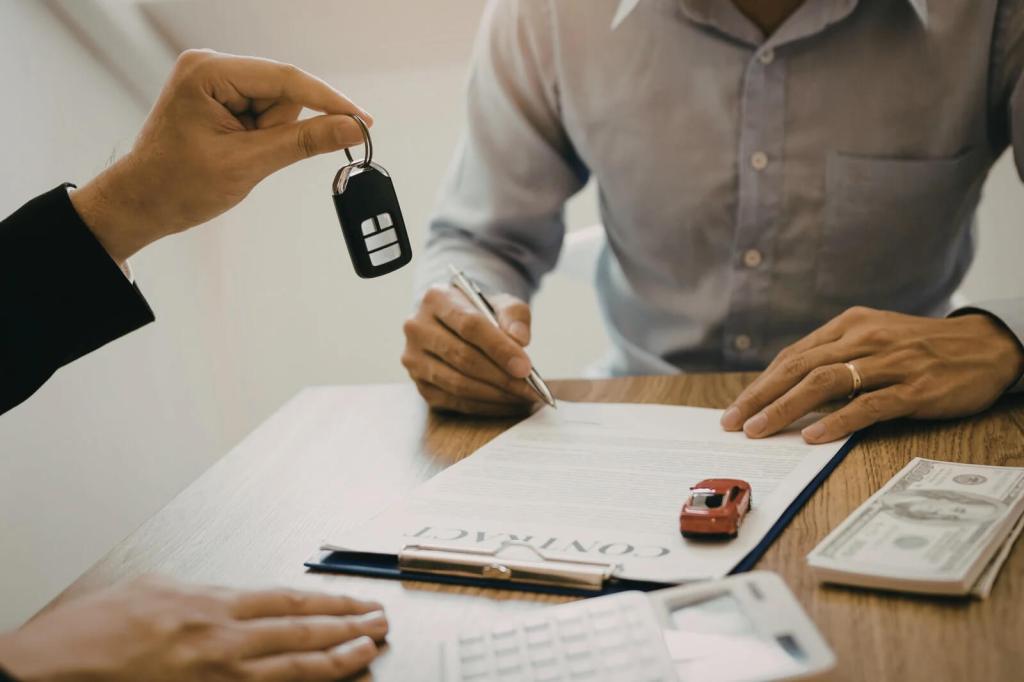
Automotive customer engagement is the process of connecting with car buyers before, during, and after the sale in a way that feels timely, helpful, and personal. For dealerships, this means more than answering calls or replying to online forms. It means creating a smooth experience across every touchpoint, from social media ads and vehicle listings to follow-up messages, appointment reminders, service updates, and post-sale communication.
Modern car buyers often research vehicles online before they ever speak to a salesperson. They compare prices, read reviews, browse inventory, watch videos, and submit enquiries across multiple platforms. If a dealership responds slowly or fails to follow up, that buyer may move on to another dealer within minutes.
Strong automotive customer engagement helps dealerships stay visible, helpful, and trusted throughout the buying journey.
Why Automotive Customer Engagement Matters
Car sales are built on trust, but trust does not happen from a single conversation. It develops through consistent communication.
A customer may first see a vehicle on Facebook, then visit the dealership website, submit a lead form, ask a question through chat, book a test drive, and later compare finance options. Each step is an opportunity to either build confidence or lose attention.
Effective engagement helps dealerships:
- Respond faster to new leads
- Reduce missed calls and unanswered enquiries
- Keep prospects interested over longer buying cycles
- Improve appointment show rates
- Build stronger post-sale relationships
- Encourage repeat business and referrals
When customers feel heard and guided, they are more likely to continue the conversation.
What Buyers Expect from Dealership Communication
Today’s buyers expect quick, clear, and useful answers. They do not want to wait days for a response or repeat the same information to different people.
Most customers want dealerships to provide:
- Fast replies to vehicle enquiries
- Clear information about pricing and availability
- Easy appointment booking
- Follow-up without pressure
- Consistent communication across SMS, email, phone, and social media
- Helpful reminders after purchase or service visits
The goal is not to overwhelm customers with messages. The goal is to make each interaction relevant and useful.
Key Elements of Better Automotive Customer Engagement
1. Fast Lead Response
Speed matters. When a buyer submits an enquiry, they are often actively comparing options. A delayed response can allow a competitor to win the conversation first.
Dealerships should aim to respond immediately, especially to high-intent leads such as test drive requests, finance enquiries, trade-in forms, and vehicle availability questions.
2. Personalised Follow-Up
Generic follow-up messages are easy to ignore. Personalisation makes communication feel more human.
This can include referencing:
- The vehicle the customer viewed
- Their preferred appointment time
- Their trade-in interest
- Their finance question
- Their buying timeline
- Their previous interaction with the dealership
A simple, specific message often performs better than a long sales pitch.
3. Multi-Channel Communication
Not every customer prefers the same communication channel. Some buyers answer SMS quickly, while others prefer email, phone calls, website chat, or social media messaging.
A strong engagement strategy allows dealerships to manage all these channels without losing track of the conversation. This also helps sales teams avoid duplicated messages or missed follow-ups.
4. Consistent Long-Term Nurturing
Not every lead is ready to buy today. Some customers may take weeks or months to decide. Without long-term follow-up, many of these leads go cold.
Dealerships can stay top of mind by sending relevant updates, such as:
- Similar vehicles that match the customer’s interest
- Price changes
- New inventory alerts
- Appointment reminders
- Finance information
- Service and ownership tips
Consistent nurturing keeps the relationship active without forcing the sale too early.
How AI Improves Automotive Customer Engagement
AI is changing how dealerships manage customer communication. Instead of relying only on manual follow-up, AI-powered tools can help teams respond faster, organise leads, and continue conversations after hours.
This is where platforms like SimpSocial fit naturally into the modern dealership workflow. SimpSocial helps dealerships turn every lead into a real opportunity through AI-powered engagement, built-in lead generation, automated messaging, a Power Dialer, and 24/7 follow-up support.
Its AI assistant, Sarah, instantly engages leads, sets appointments, and follows up post-sale, helping sales teams avoid missed leads, calls, and sales opportunities. SimpSocial also supports precision-targeted social media lead generation tied to live inventory, along with an engagement platform that responds, follows up, and books appointments automatically.
For dealerships looking to improve communication and lead conversion, this guide on how to improve automotive customer engagement offers a useful starting point.
Practical Tips to Improve Dealership Customer Engagement
Create a Clear Lead Response Process
Every lead should have a defined next step. Dealerships should know who responds, how quickly they respond, and what message should be sent first.
A strong process may include:
- Instant acknowledgement
- Personalised first response
- Follow-up call or SMS
- Appointment scheduling
- CRM update
- Long-term nurture sequence
Use Live Inventory in Marketing
Buyers respond better to relevant vehicles than generic dealership ads. When lead generation is tied to live inventory, customers see vehicles that are actually available and aligned with their interests.
This improves lead quality and creates a smoother handoff from marketing to sales.
Track Every Conversation
Customer engagement becomes difficult when information is scattered across phones, inboxes, sticky notes, and social media messages.
Dealerships should centralise communication so sales teams can see each buyer’s history, preferences, and next steps.
Follow Up After the Sale
Customer engagement should not end when the buyer drives away. Post-sale communication can improve satisfaction, increase reviews, and support future service bookings.
Useful post-sale messages include:
- Thank-you notes
- Delivery follow-ups
- Service reminders
- Review requests
- Referral prompts
- Upgrade or trade-in check-ins
Clear Call to Action
If your dealership is generating leads but struggling to respond quickly, follow up consistently, or book more appointments, it may be time to improve your engagement process. Review how your team handles every lead, from first enquiry to post-sale follow-up, and look for gaps where automation, AI, and better communication tools can help.
FAQs
What is automotive customer engagement?
Automotive customer engagement is how dealerships communicate with buyers across the sales and ownership journey. It includes lead response, follow-up, appointment setting, service reminders, and post-sale communication.
Why is customer engagement important for car dealerships?
It helps dealerships build trust, respond faster, improve lead conversion, and keep buyers interested. Better engagement also supports repeat business, referrals, and stronger customer loyalty.
How can AI help with dealership customer engagement?
AI can respond to leads instantly, automate follow-up, book appointments, organise customer conversations, and support 24/7 communication. This helps sales teams focus on serious buyers while reducing missed opportunities.
Conclusion
Automotive customer engagement is not just about sending more messages. It is about sending the right message, at the right time, through the right channel. Dealerships that respond quickly, personalise communication, follow up consistently, and support customers after the sale are more likely to build trust and convert leads into appointments.
With buyer expectations rising, dealerships need smarter systems that keep conversations moving. By combining clear processes, useful content, live inventory marketing, and AI-powered engagement tools, dealerships can create a smoother customer experience and turn more enquiries into real sales opportunities.
 Sarah AI
Leave a comment